Residential Interior Design Certification (last 5 seats)

Residential Interior Design Certification (last 5 seats)
Residential Interior Design Certification (last 5 seats)
Residential Interior Design Certification (last 5 seats)
Residential Interior Design Certification (last 5 seats)

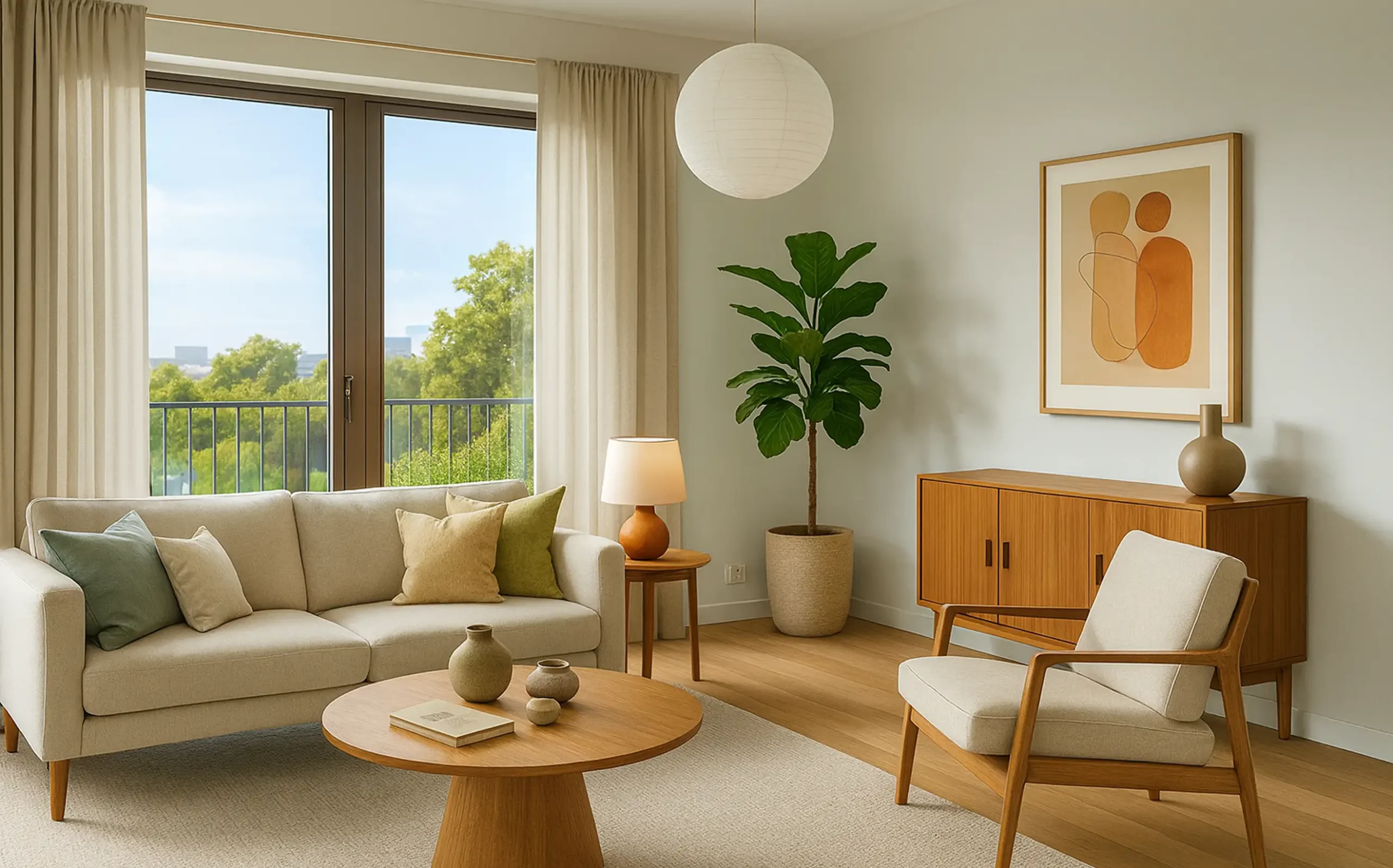
Residential Interior Design Course
Only 05 seats left at this price.

Upto 350% salary hike for Learners
Shift to High-paying Design career
Enhance your design skills
100% Customized Learning Paths
What will you learn from this Course?
- Understand core principles of residential interior design, including space planning, functionality, and user needs.
- Learn to design aesthetically pleasing and practical home interiors using industry-standard techniques.
- Gain proficiency in material selection, lighting, color theory, and furniture layout tailored to residential settings.
- Develop hands-on skills through real-life projects, client briefs, and guided design exercises.
Course Highlights

One-on-One Sessions
Cohort Group Discussions
20+ Real-Life Case Studies
Comprehensive Courseware
Who is this Course for?

Aspiring Designers:
Build a strong foundation in interior design tailored for residential spaces.

Home Decor Entrepreneurs:
Learn to craft beautiful, functional spaces that attract and retain clients.

Professional Architects & Designers:
Refine your residential projects with updated interior styling techniques.

Community Planners & Developers:
Apply knowledge to improve the functionality and aesthetics of interior spaces.

Real Estate Professionals:
Understand how good design increases property value and buyer appeal.

Educators & Academics:
Expand knowledge base with practical Interior application and Insights.
Course Curriculum
Week 1 - What is Interior Design?


Yes, we do provide certificates to all our participants for attending the workshop. The certificates are mailed within 15 days from the workshop conclusion date.
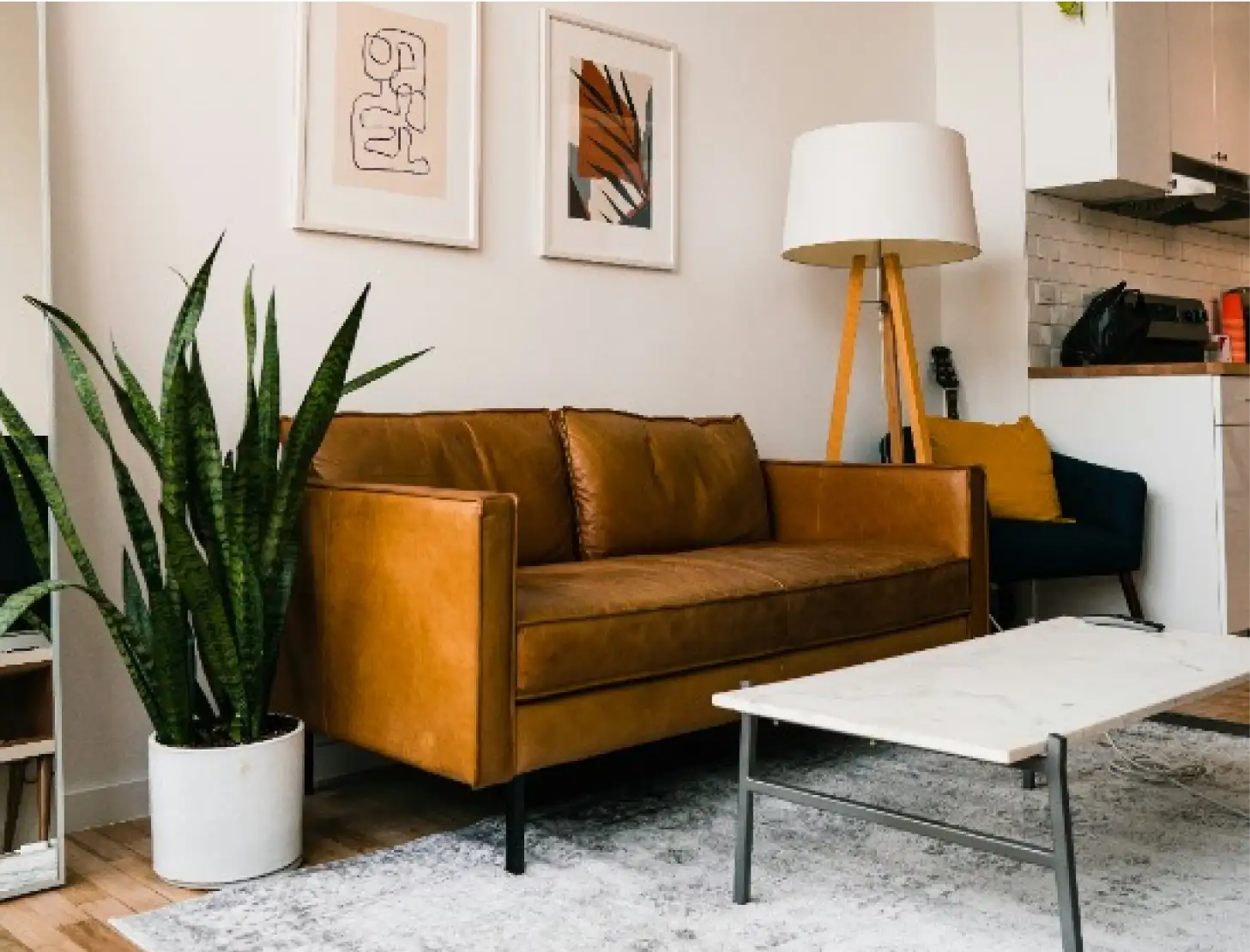
- Interior design vs. interior decoration: scope, responsibilities, and career paths
- The role of an interior designer in residential projects and the value they bring to clients
- The design process: brief, concept, development, documentation, and execution
- Introduction to design vocabulary: elevation, plan, section, scale, massing, proportion
- Case study analysis: walkthrough of 2–3 well-executed residential projects to identify key design decisions
Week 2 - Elements & Principles of Design
Yes, we do provide certificates to all our participants for attending the workshop. The certificates are mailed within 15 days from the workshop conclusion date.
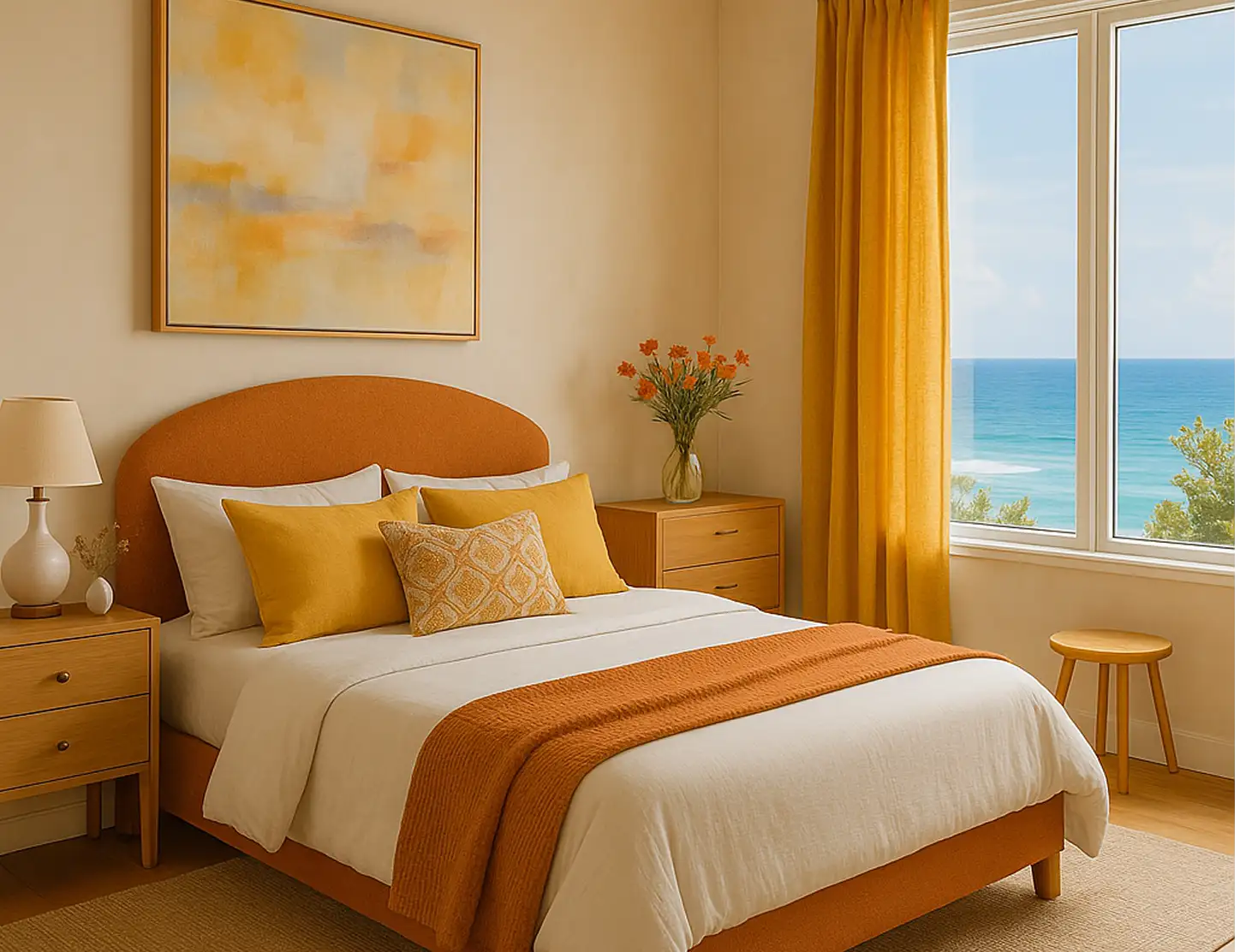
- The 7 elements of design: line, shape, form, colour, texture, pattern, and light
- The 7 principles of design: balance, rhythm, emphasis, proportion, scale, harmony, and contrast
- How elements and principles work together in real interiors (visual analysis exercises)
- Developing a designer’s eye: observational exercises using interior photographs
- Common beginner mistakes: over-accessorising, ignoring scale, clashing patterns
Week 3 - Understanding Space & Reading Floor Plans
Yes, we do provide certificates to all our participants for attending the workshop. The certificates are mailed within 15 days from the workshop conclusion date.

- Introduction to anthropometry: standard human dimensions and clearances for residential spaces
- How to read a floor plan: walls, doors, windows, scale bars, north orientation, and architectural symbols
- Spatial zoning: public zones (living, dining), private zones (bedrooms), service zones (kitchen, utility)
- Circulation and flow: planning movement paths, avoiding dead zones and bottlenecks
- Open-plan vs. compartmentalised layouts: when each works and why
- Hands-on: sketch a bubble diagram and zoning plan for a 2BHK apartment on graph paper
Week 4 - Introduction to AutoCAD
Yes, we do provide certificates to all our participants for attending the workshop. The certificates are mailed within 15 days from the workshop conclusion date.
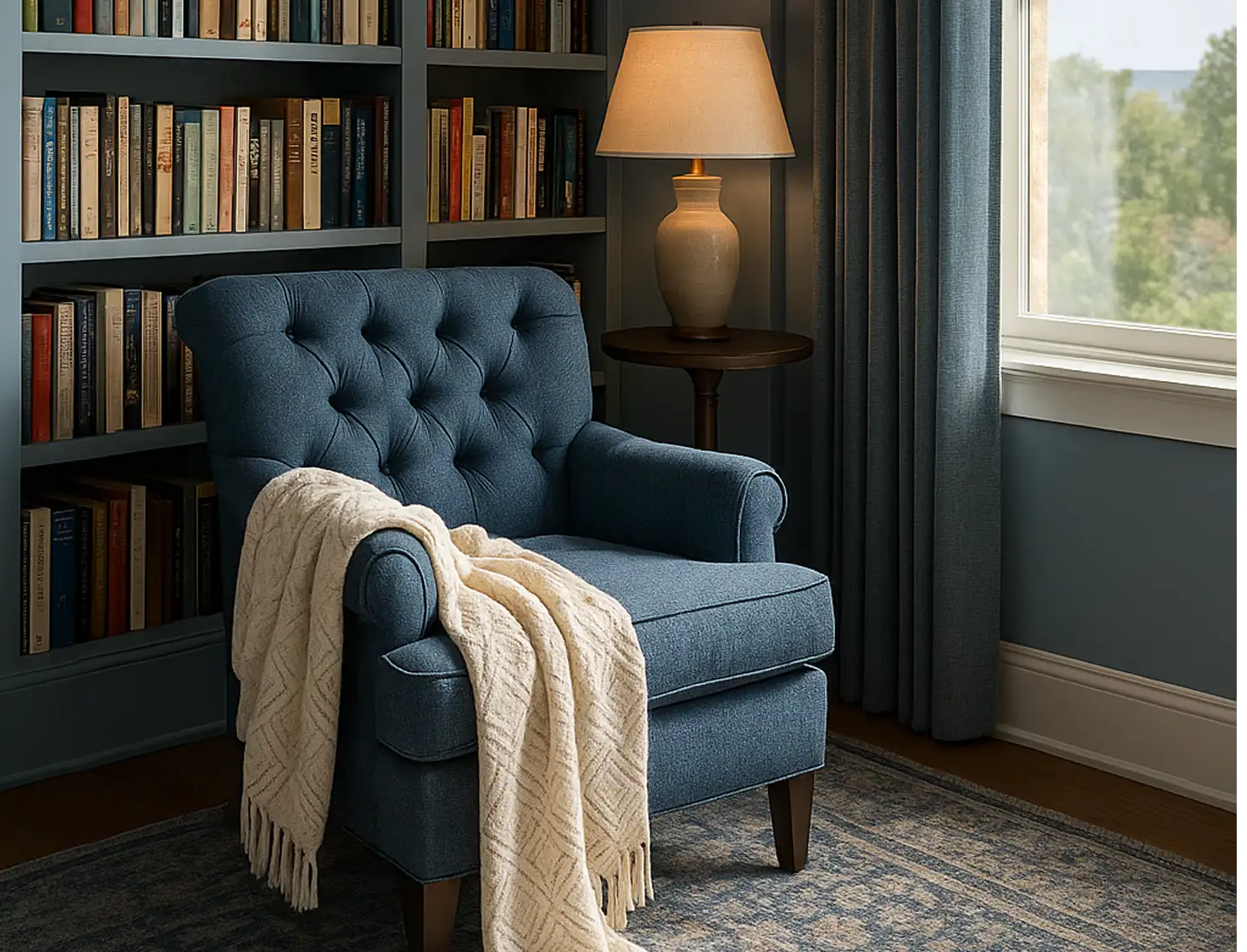
- AutoCAD interface orientation: workspace, command line, navigation (zoom, pan), and setting up drawing units (millimetres)
- Essential drawing commands: Line, Rectangle, Circle, Offset, Trim, Extend, Copy, Move, and Mirror
- Drawing your first room: walls at scale, door swing, and window opening
- Introduction to Layers: organising walls, furniture, and annotations on separate layers
- Adding basic dimensions and text labels to your drawing
Week 5 - Space Planning & Furniture Layout
Yes, we do provide certificates to all our participants for attending the workshop. The certificates are mailed within 15 days from the workshop conclusion date.
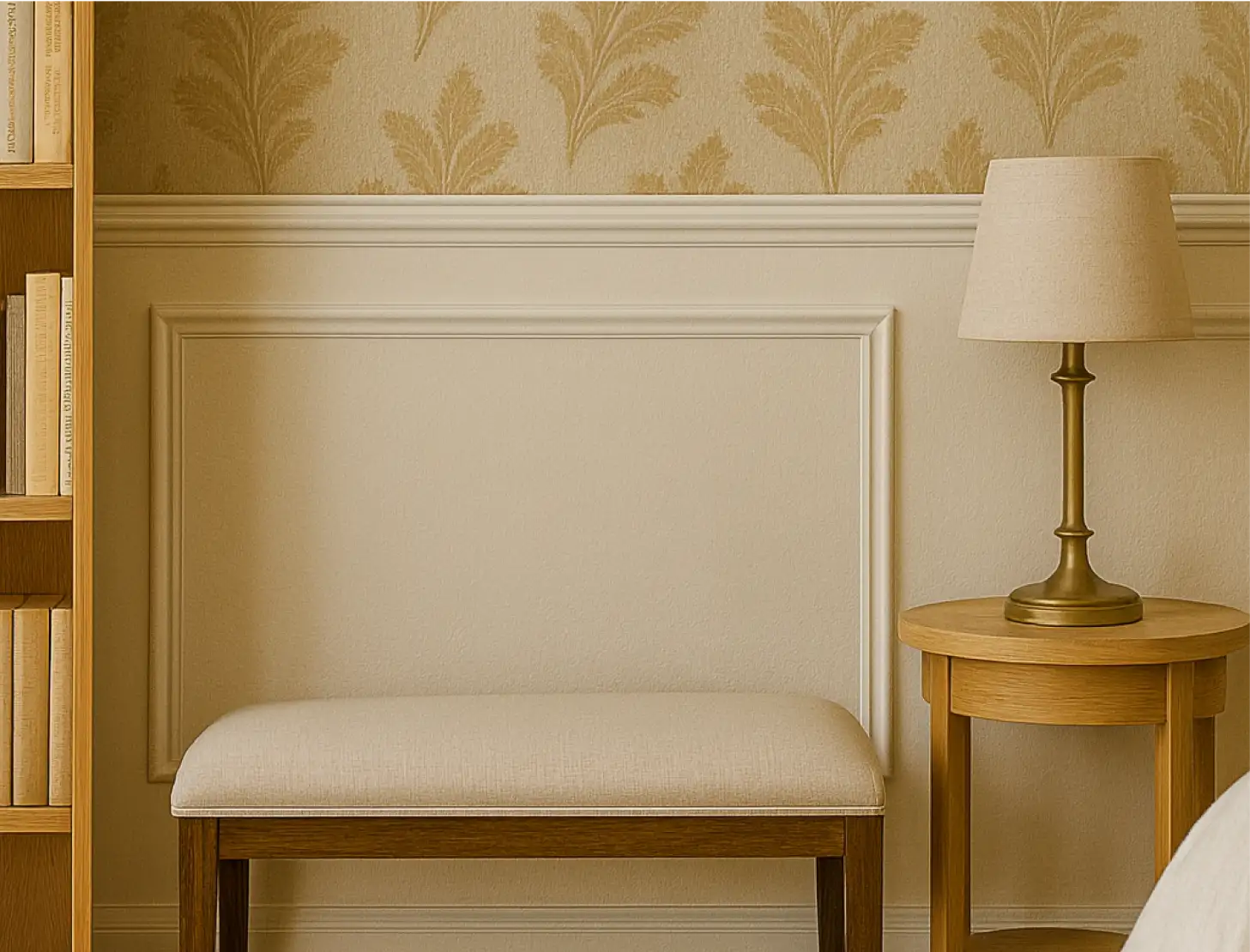
- Standard furniture dimensions: sofas, beds, dining tables, desks, wardrobes, and clearances required around each
- Furniture layout principles: focal points, conversation groupings, traffic lanes, and negative space
- Planning room-by-room: living room, bedroom, dining area, and work-from-home setups
- Space-saving strategies for compact Indian homes: multi-functional furniture, built-ins, and modular systems
- AutoCAD skill: inserting and positioning furniture blocks, using the Array and Rotate commands
Week 6 - Design Styles & Concept Development
Yes, we do provide certificates to all our participants for attending the workshop. The certificates are mailed within 15 days from the workshop conclusion date.
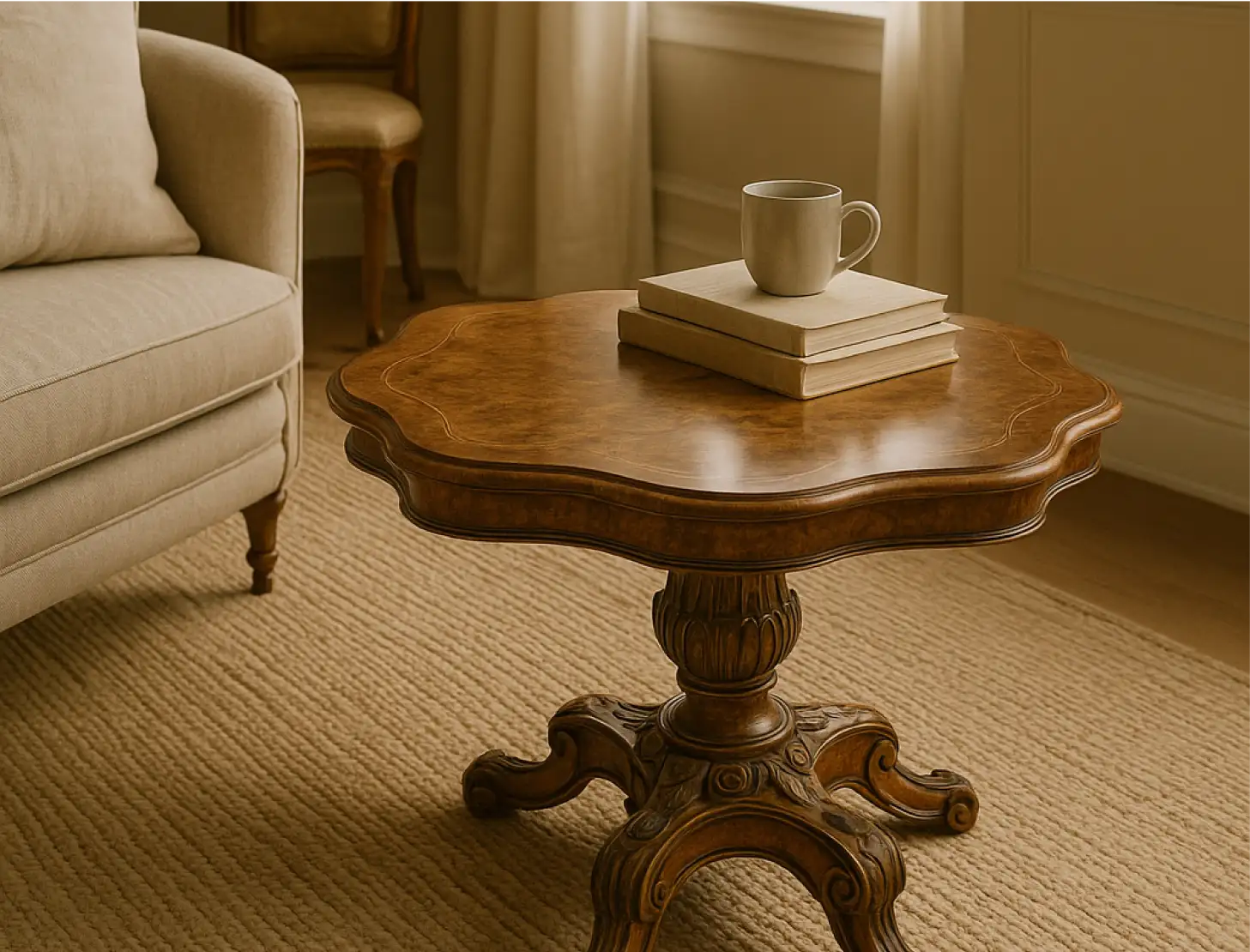
- Major residential design styles: Contemporary, Minimalist, Scandinavian, Mid-Century Modern, Industrial, Bohemian, Traditional Indian, and Transitional
- How to identify a style: key characteristics in furniture, colour, materials, patterns, and spatial layout
- Mixing styles authentically vs. visual chaos: principles of eclectic design
- Concept development: translating a client’s lifestyle, preferences, and aspirations into a design narrative
- Introduction to Canva: building a mood board that communicates one cohesive vision — imagery, colours, textures, and material references
Week 7 - Colour Theory for Interiors
Yes, we do provide certificates to all our participants for attending the workshop. The certificates are mailed within 15 days from the workshop conclusion date.
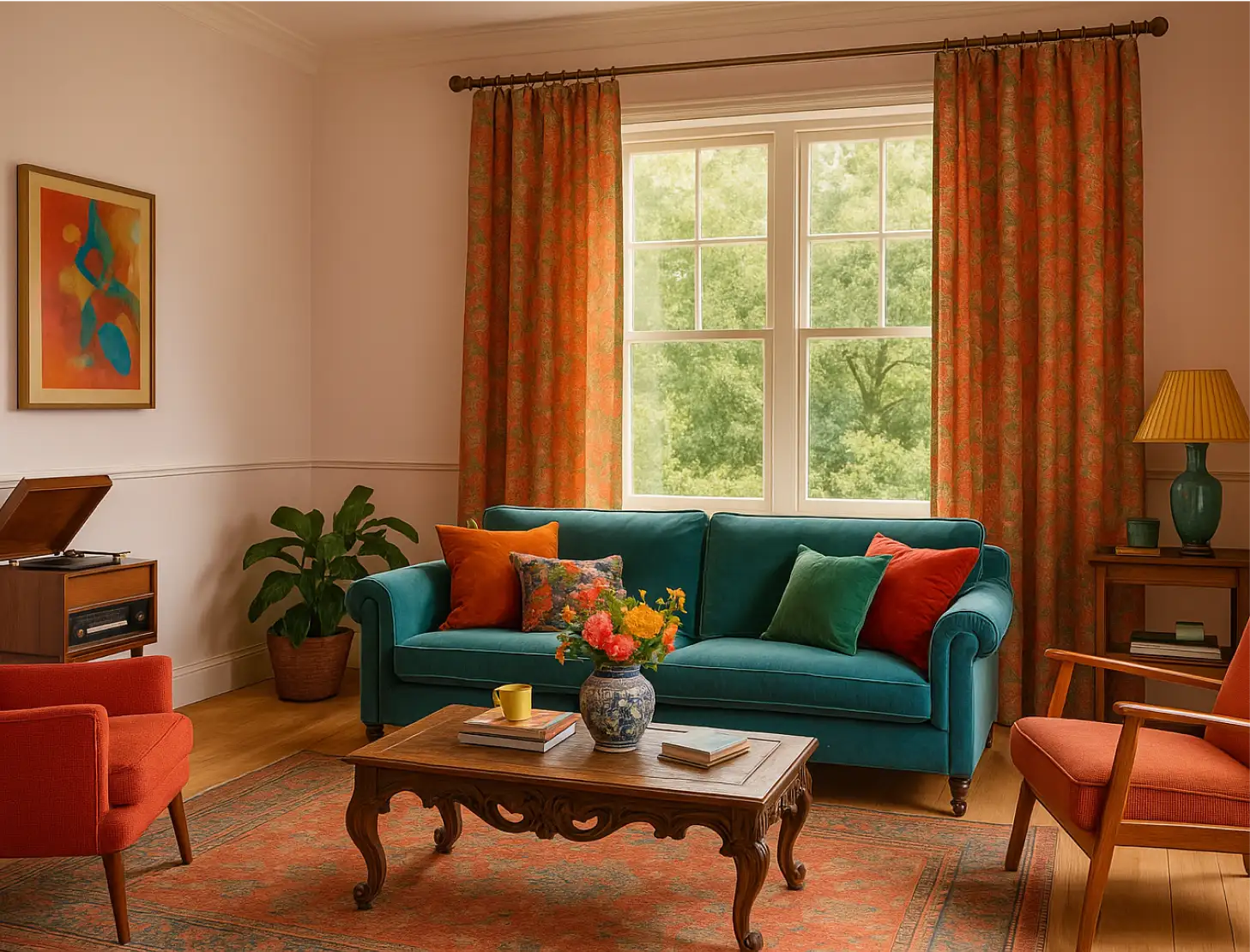
- The colour wheel: primary, secondary, tertiary colours and how they relate
- Colour schemes: monochromatic, analogous, complementary, split-complementary, and triadic
- Colour psychology: how colours affect mood, perception of space, and emotional response
- Applying colour in interiors: the 60-30-10 rule for walls, furniture, and accents
- Working with neutrals, undertones, and the impact of lighting on colour appearance
Week 8 - Lighting Design for Residential Spaces
Yes, we do provide certificates to all our participants for attending the workshop. The certificates are mailed within 15 days from the workshop conclusion date.
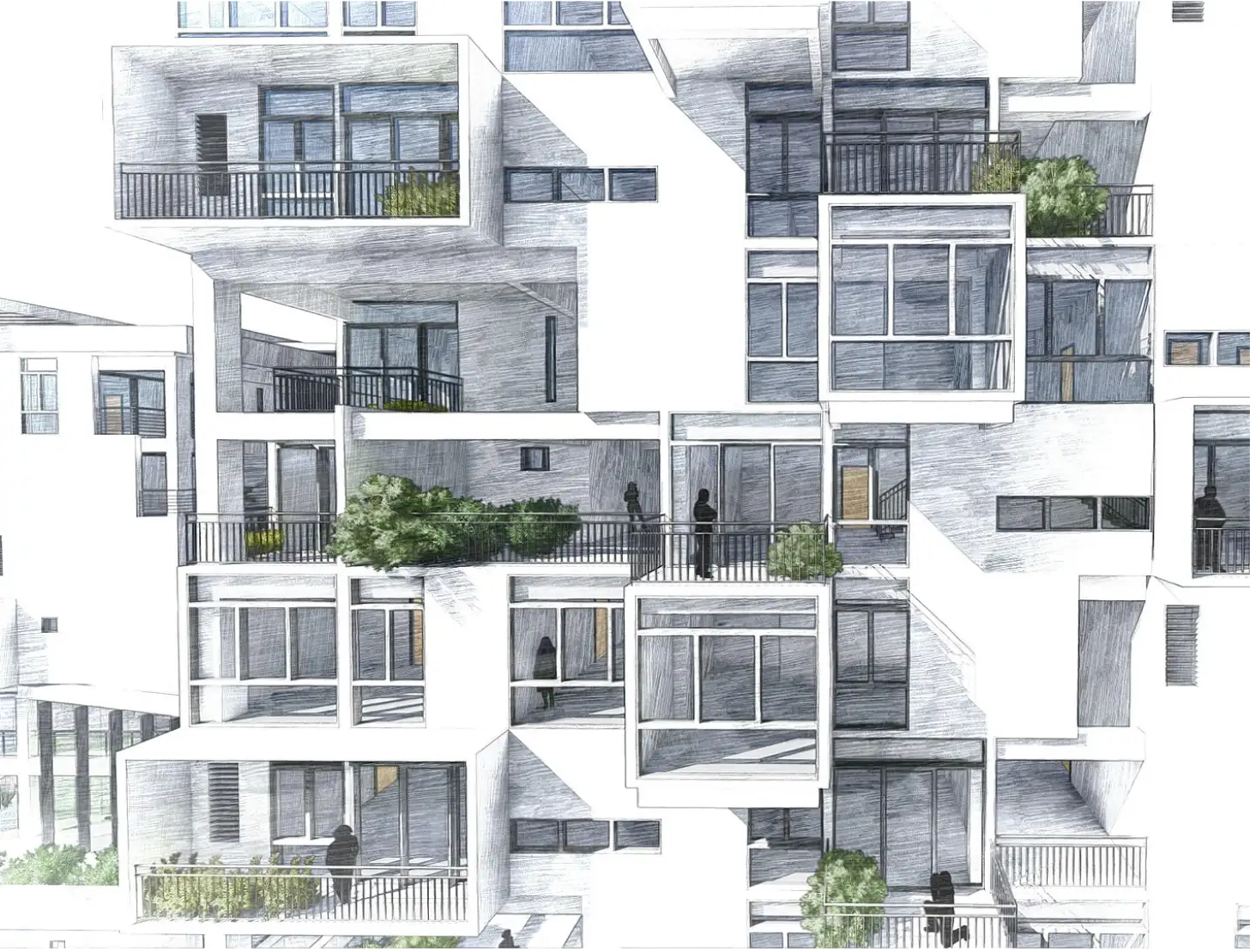
- Natural light: orientation, window placement, and how daylight changes through the day
- The 4 layers of artificial lighting: ambient, task, accent, and decorative
- Types of light fixtures: ceiling-mounted, recessed, pendant, wall sconces, track, floor and table lamps
- Colour temperature (warm vs. cool white) and its effect on materials, paint colours, and skin tones
- Room-by-room lighting strategies: living room layering, kitchen task zones, bedroom mood lighting, bathroom vanity
Week 9 - Materials, Finishes & Soft Furnishings
Yes, we do provide certificates to all our participants for attending the workshop. The certificates are mailed within 15 days from the workshop conclusion date.
- Flooring: vitrified tiles, ceramic, marble, granite, hardwood, engineered wood, laminate, and vinyl
- Wall finishes: paint types (emulsion, enamel, texture), wallpaper, stone cladding, wood panelling, PU/duco
- Countertops: quartz, granite, marble, solid surface, laminate — pros, cons, and cost
- Soft furnishings: upholstery fabrics, curtain types (sheer, blackout, layered), rugs, cushions, and throws
- Sustainable and locally-sourced material options for the Indian market
Week 10 - Hand Sketching & Design Presentation
Yes, we do provide certificates to all our participants for attending the workshop. The certificates are mailed within 15 days from the workshop conclusion date.

- Why hand sketching matters: speed, client rapport, and thinking through ideas spatially
- Basic sketching: straight lines, proportions, and a one-point perspective of a room interior
- Using Pinterest strategically for research and client-facing inspiration boards
- Structuring a design presentation in Canva: project brief, concept, palette, materials, furniture, layout, lighting
- The client story arc: how to walk someone through your design from ‘why’ to ‘what’ to ‘how’
Week 11 - AutoCAD Elevations & Drawing Consolidation
Yes, we do provide certificates to all our participants for attending the workshop. The certificates are mailed within 15 days from the workshop conclusion date.
- What is an interior elevation and why clients and contractors need it
- Setting up an elevation: choosing the right wall, scale, and projection
- Drawing a wall elevation: floor line, ceiling line, furniture profiles, shelving, artwork placement, and finish zones
- Adding material annotations, height dimensions, and finish call-outs to elevations
- Creating a title block and organising your drawing sheet (plan + elevations + notes on one layout)
Week 12 - Capstone Project: Complete Residential Design
Yes, we do provide certificates to all our participants for attending the workshop. The certificates are mailed within 15 days from the workshop conclusion date.
- Project brief: design a living room + master bedroom for a young couple in a new 2BHK apartment (fresh brief provided by faculty)
- Concept development — mood board and concept statement (Canva)
- Furniture layout in AutoCAD (scaled floor plan with dimensions)
- Final 10–15 slide Canva presentation incorporating all AutoCAD drawings
- Peer review and faculty feedback session


Live, taught, and built around your job
You are never watching a recording alone, and never waiting a week for an answer.
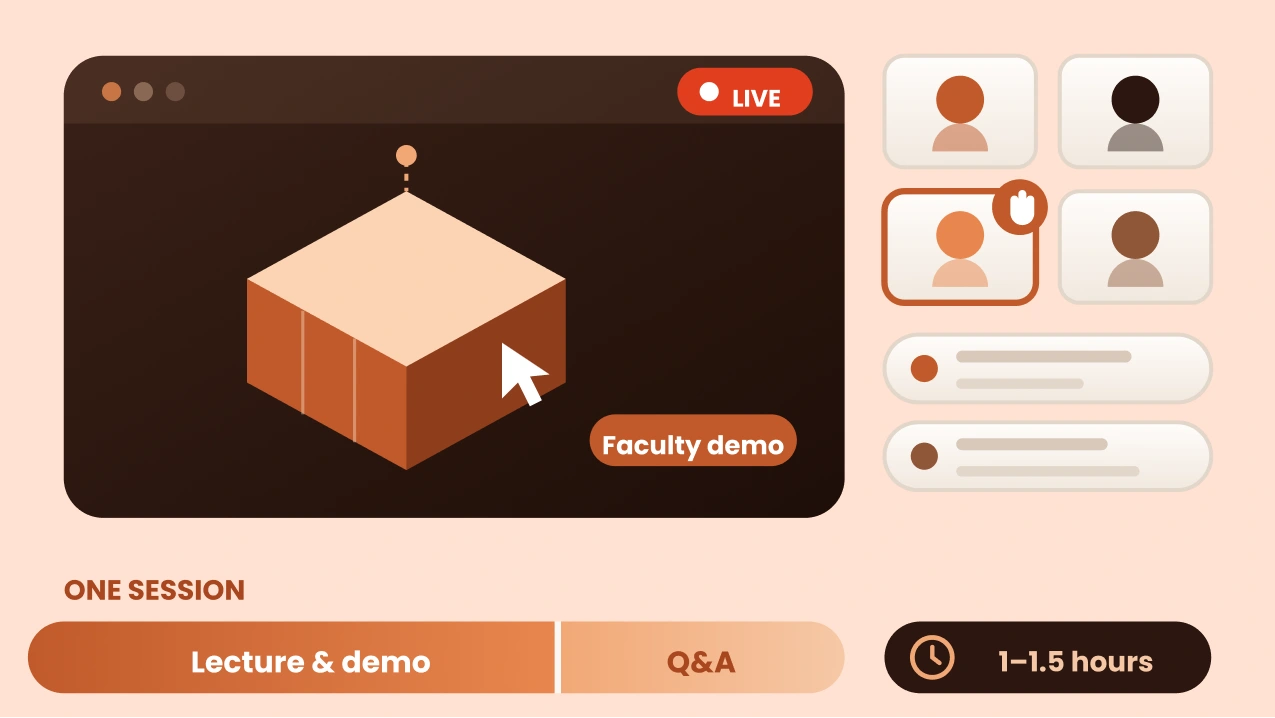
Lecture, demo, then your questions
Faculty teach the concept and demonstrate it on screen, then the floor opens for questions. Every session is live and instructor-led. Not a recording you watch alone, and not a webinar you can’t interrupt.
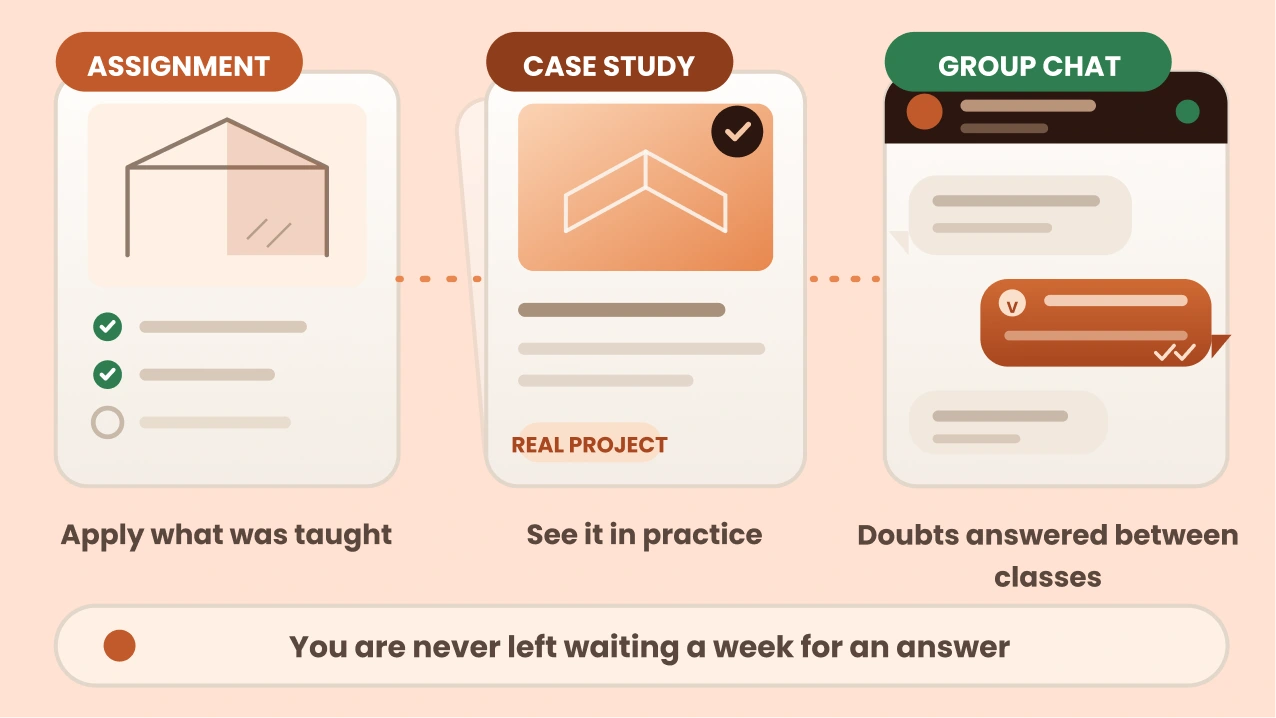
Assignments, case studies, and somewhere to ask
Between classes you apply what was taught through assignments and work through real case studies. When you get stuck at 11pm on a Tuesday, the cohort WhatsApp group is where the doubt gets answered — by faculty, and by the people sitting the same course.
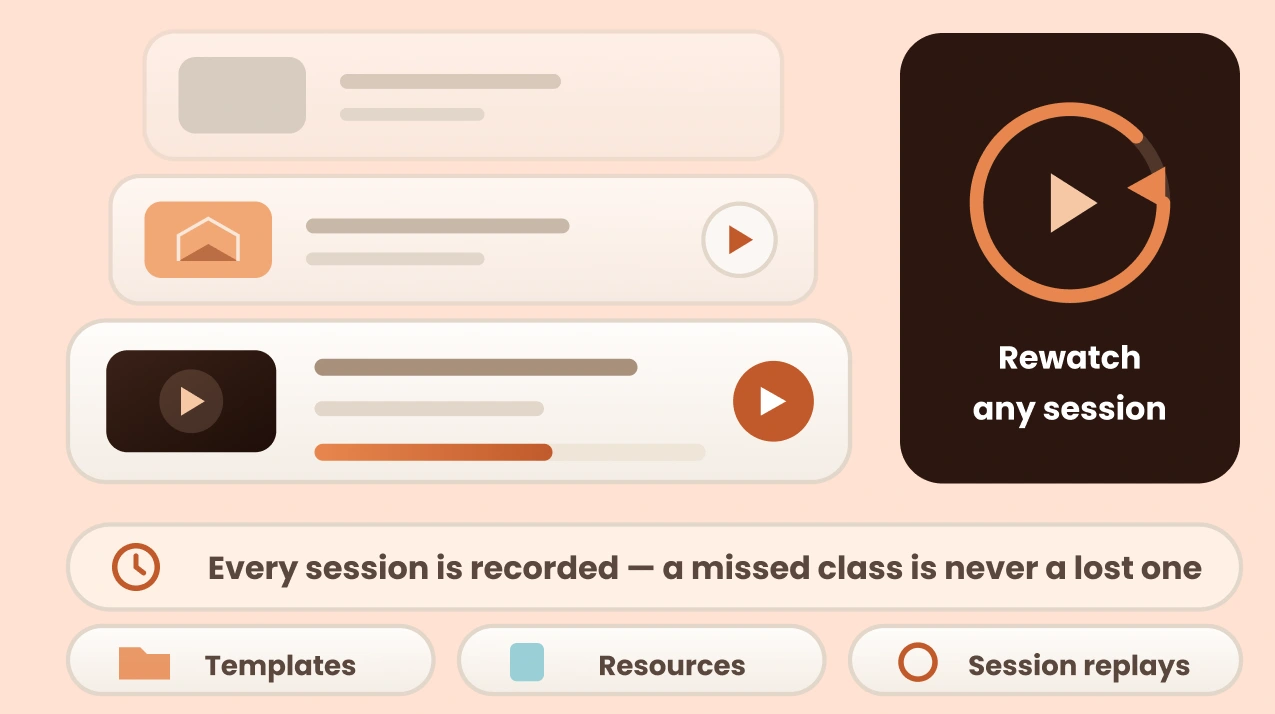
Every session is recorded
Life happens. Miss a class and the recording is waiting for you, along with the templates and resources from that session. Rewatch any session, as many times as you need.
Learn through real-world, guided design projects
You will learn through live residential and Vastu-based design projects developed by ASDAV. Each project reflects real client requirements, site conditions, and execution challenges. You will apply design principles, space planning, and practical workflows while gaining industry-ready experience.


Tools we teach







How are we different?
Why settle for just another Residential Interior Design course?
We don't just upskill you, we give you the tools to excel in your path.
Interactive Lectures
Some
No
Hands-on Workshops
Yes
No
Real-life Case Studies
Yes
No
Group Discussions and Feedback Sessions
Yes
No
You're in the room, not watching a replay
Real sessions, taught in real time by architects who still practise. Screens shared, questions answered, work reviewed as it happens.
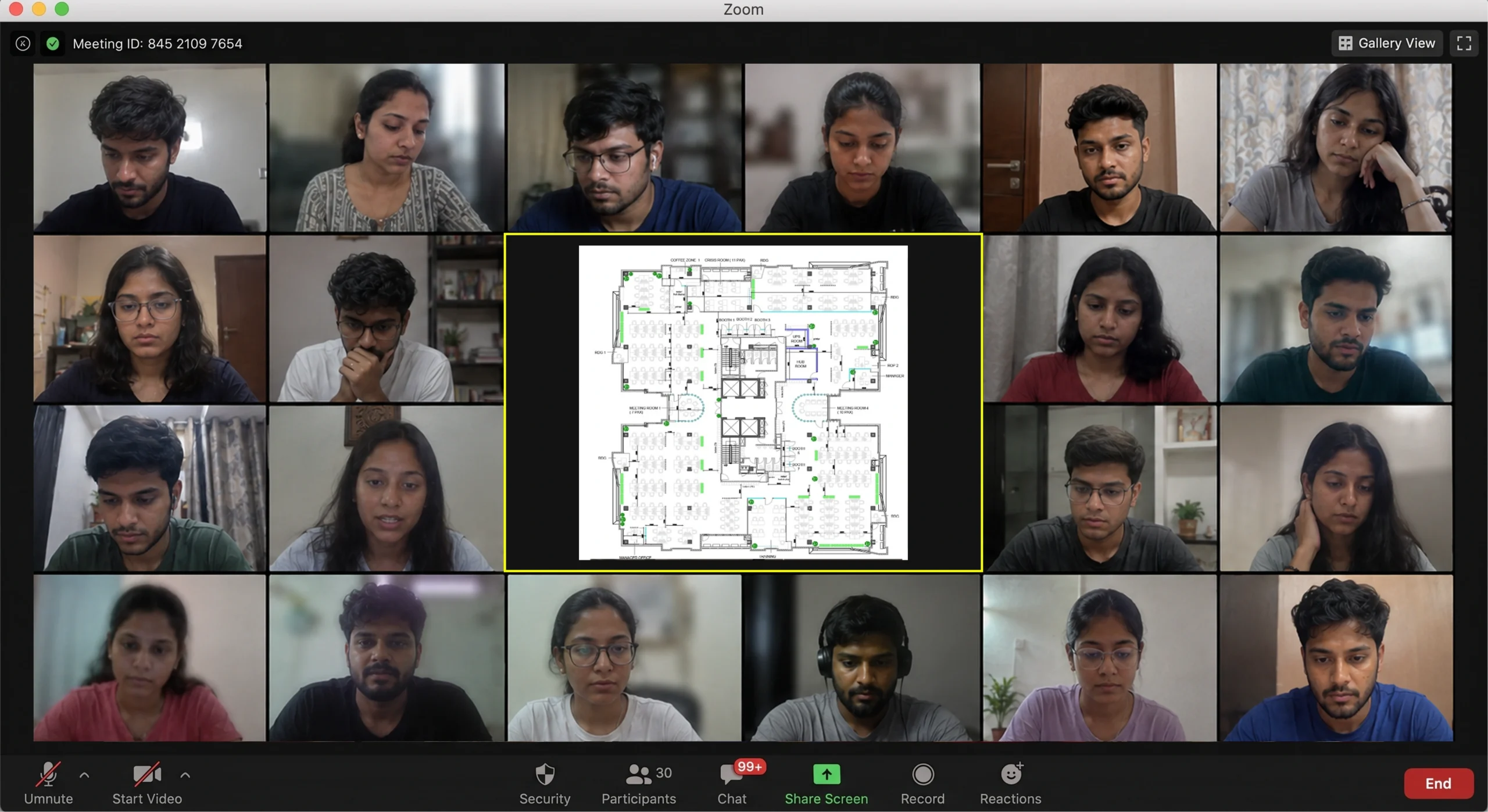
MEET THE HUMANS BEHIND ASDAV
We eat, learn, teach & repeat

Ar. Vijay P.
Architect | BIM Specialist
With 13+ years of experience across industry and academia, Vijay has led large-scale BIM projects like Nine Elms London, FIFA stadiums, and royal residences in Qatar. A CEPT alum and PhD scholar at IIT Roorkee, At ASDAV, he trains students to bridge the gap between practice and education through BIM.
Off duty, he’s a scale model collector and passionate photographer.

Ar. Aditya K.
Architect | Landscape Consultant
Aditya is a SPA Alum - landscape architect passionate about heritage, cultural spaces, and site-driven design. His work explores the sweet spot where history, ecology, and modern thinking meet.
At ASDAV, he helps students sharpen their ideas and design with clarity—encouraging them to question more, explain less.
Outside the classroom, you’ll find him jamming to music, and fuelling great conversations over chai.

Ar. Anuj K.
Architect | Interior Designer
Anuj is an architect with 5+ years of experience in residential, commercial interior design. As the Proprietor and Principal Designer of Base MUSC, he focuses on creating functional, well-planned spaces that balance aesthetics with everyday practicality.
At Base MUSC, he brings a thoughtful, detail-driven approach, ensuring each design meaningfully supports how people live and work.
When he’s not managing projects, he’s usually folding origami, exploring new trails, or going for a run to reset and recharge.

Ar. Shubham K
Architect | Sustainable Materials Advocate
Shubham is an architect with 5+ years of experience in architecture, product design, and brand strategy. He specialises in sustainable materials like bamboo, blending design with usability and commercial impact. At ASDAV, he brings sharp focus to execution, material thinking, and real-world design clarity.
When not designing, he’s usually trekking high-altitude trails or playing fetch with his dog.

Ar. Jasmine A
Architect | Global Vastu Consultant
Jasmine is an architect and global Vastu consultant with 8+ years of experience across design and teaching, including international work in architecture and interiors. Her approach blends architectural thinking, human-centered interiors, and practical Vastu.
At ASDAV, she leads with clarity, encouraging learners to design purposefully, and build meaningful careers with confidence.
When not mentoring students, she’s either bonding with dogs or finally finishing her first cup of coffee for the day.

Ar. Hitesh K
Furniture Designer | Interior Educator
Hitesh is a furniture and interior design professional with expertise in material-driven design, detailing, and production thinking. An NID graduate, he blends design craft with real-world execution.At ASDAV, he leads sessions on furniture design, spatial planning, and design software—helping students bridge ideas with execution through clarity, craft, and process.
When not teaching or designing, he’s deep into furniture case studies—or quietly redesigning the everyday.

Ar. Anushruti S
Landscape Architect | Urban Design Educator
Anushruti is a landscape architect with experience across real estate, urban infrastructure, and environmental design projects in India and Europe. At ASDAV, she helps students make sense of landscape and urban systems—focusing on critical thinking, environmental sensitivity, and scale-based design clarity.
When not mapping or mentoring, she’s out exploring green corners of the city and how people interact with them.

Ar. Meher T
Architect | Design + Construction Specialist
Meher is an architect with over 10 years of experience focused on the intersection of design vision and buildability. Her strength lies in translating conceptual ideas into precise construction drawings.
At ASDAV, she brings a practical lens to design education, helping students understand how ideas become structures.
Outside the studio, she’s obsessed with Travel and her harmonium.

Ar. Rayan M
Interior Architect | Global Design Consultant
Rayan is an interior architect with 9+ years of international experience across residential, commercial, and hospitality projects in the UAE, Italy, and Southeast Asia.
At ASDAV, he guides students through design detailing, spatial logic, and project workflows.
When he’s not teaching, you’ll find him exploring city backstreets, or hunting down the best De-cafe in town.
What Will You Gain Through This Course - Residential Interior Design Course

Design Foundation Mastery:
Gain strong command over spatial planning, styling, and aesthetics for homes.

Functional Layout Expertise:
Create practical and ergonomic layouts tailored to user needs and lifestyle.

Material & Lighting Knowledge:
Select appropriate materials, colors, and lighting for comfort and mood.

Technical Drawing Skills:
Draft detailed interior plans, elevations, and furniture layouts using AutoCAD.

Visual Communication:
Present moodboards, concepts, and styling ideas clearly using Canva and SketchUp.

Portfolio-Ready Output:
Build a well-structured residential design portfolio with real project work.
Enroll Now for the 2026 Batch
Step into the future of residential interior design with modern, tech-driven skills. Thousands of design professionals have already upgraded their expertise through our programs—are you ready to join them?
- 40+ live sessions
- 3+ Capstone projects based on real residential briefs
- AutoCAD, SketchUp & Canva training integrated throughout
- 10+ Guided career sessions
- Completion certificate from ASDAV
- Lifelong access to course recordings, templates & resources
See What Our Learners Have to Say


Attain Industry-Recognized Certificate
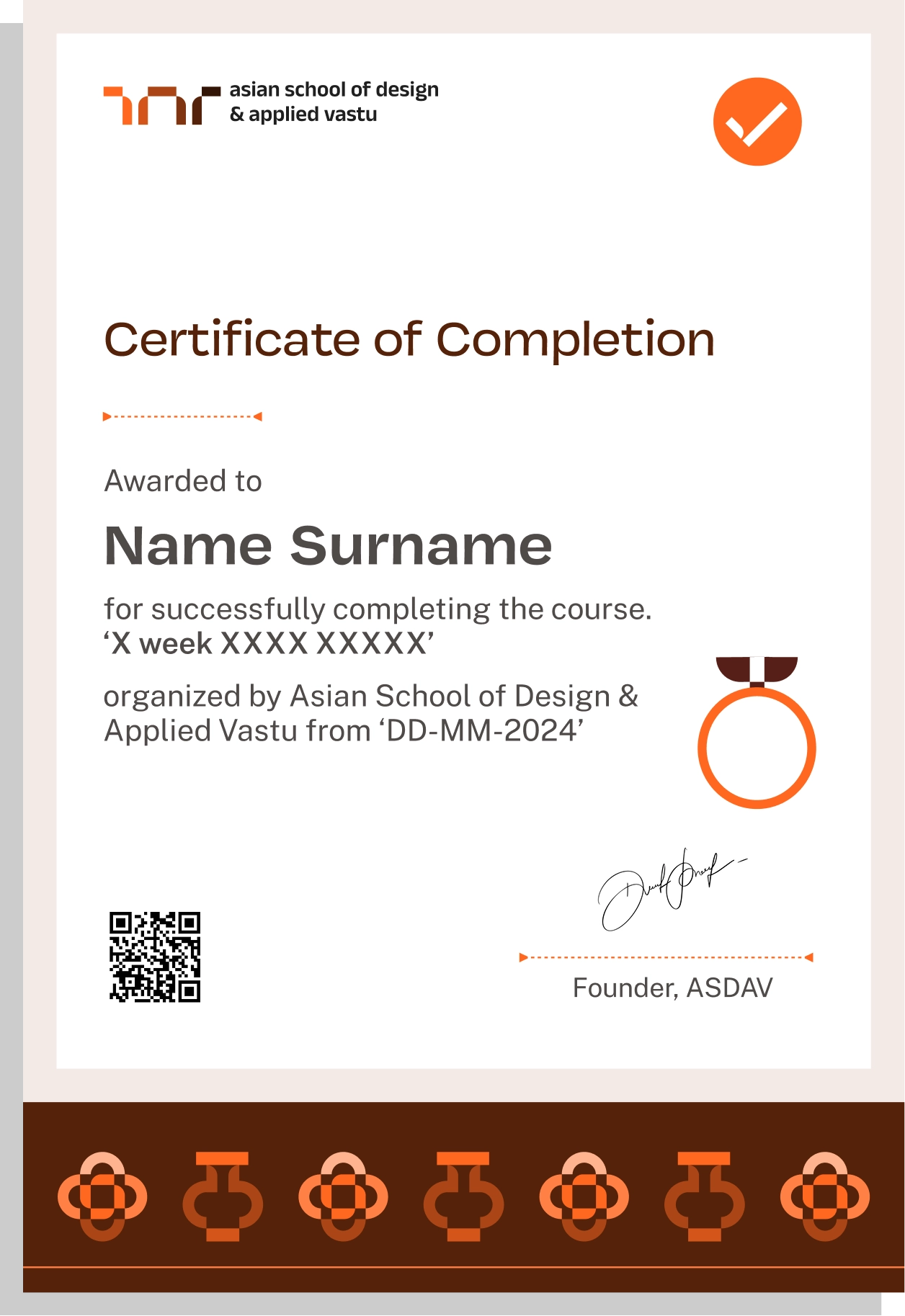
Earn Industry-Recognized Certification through Our Advanced Course, in Partnership with Google for Education, Elevating Your Career Profile
Easily sharable PDF document on LinkedIn, portfolio, resume or CV.


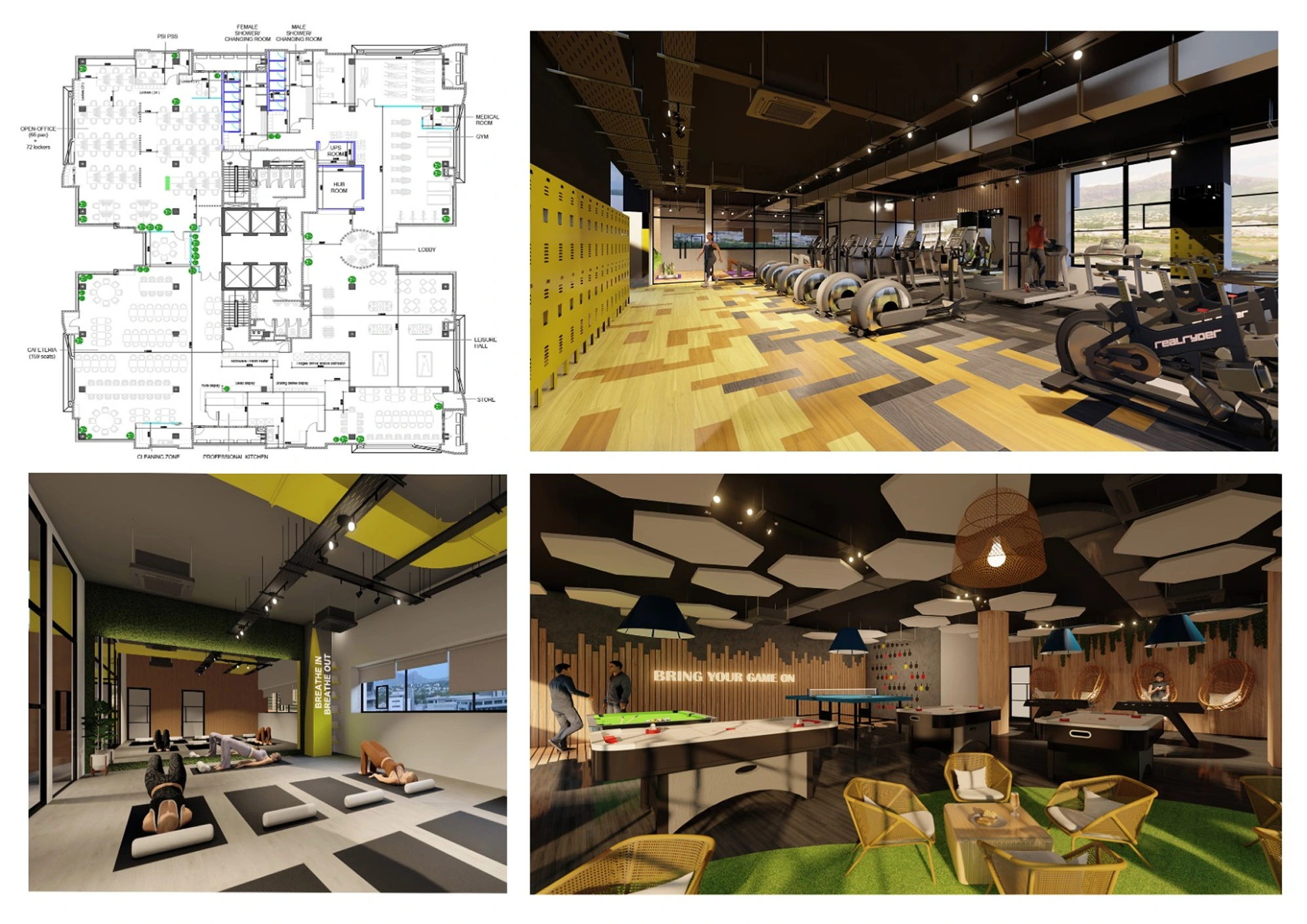
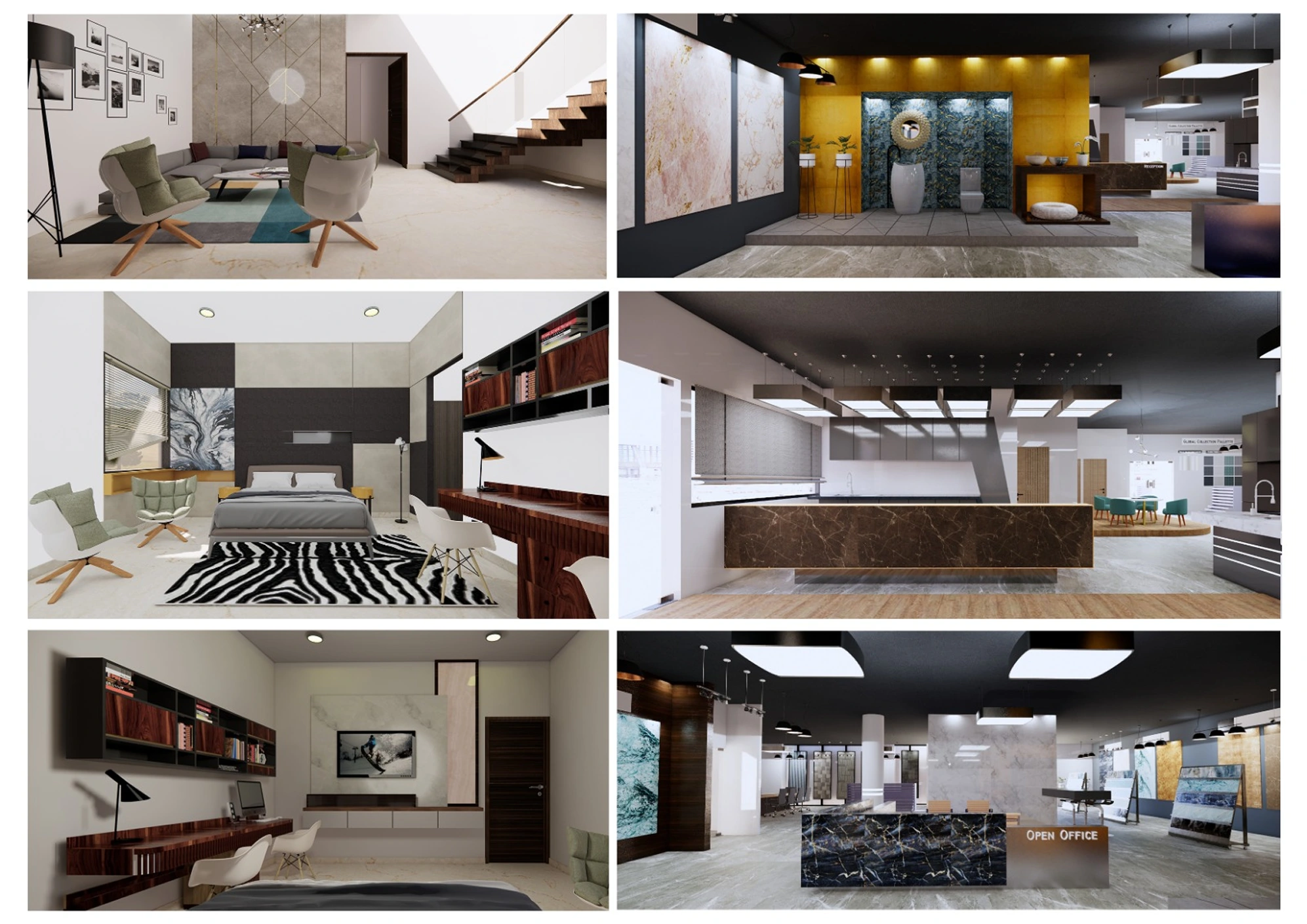
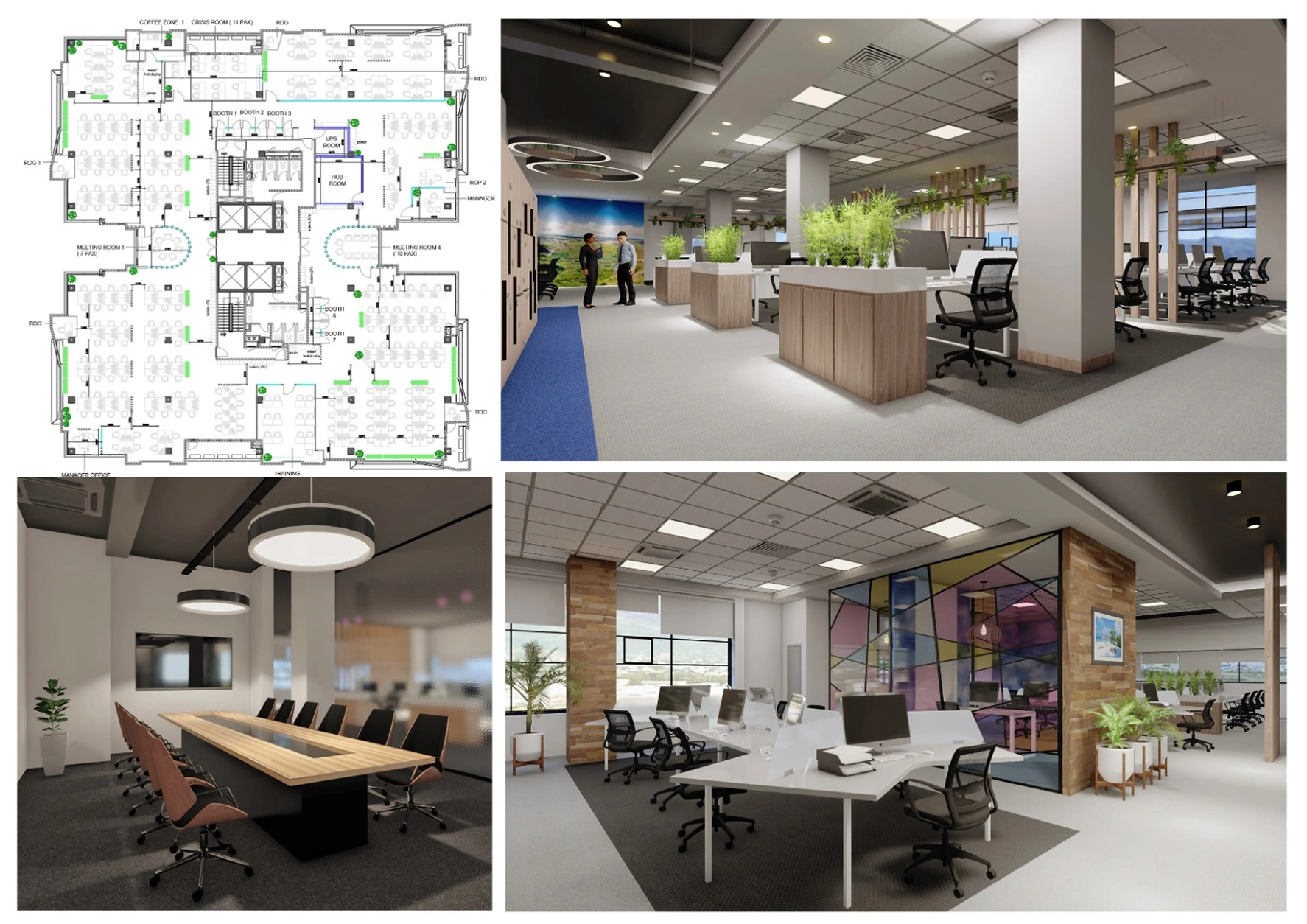
What our students actually build
You don't just learn the tools, you leave with proof you can use them. Here's a look at the projects our students created on the course. The kind of work that fills a portfolio and holds up in an interview.
TAUGHT BY INSTRUCTORS FROM












ALUMNI GROWTH STORIES
Where our learners grow, lead & succeed






TESTIMONIALS
Your love inspires us, every minute. Inspirational Words Shared by Our Members
ASDAV's classes have empowered countless students to bridge theoretical knowledge with practical industry application.
Our community of passionate learners, where exploration knows no bounds.
Shavi Gupta


I am a practicing interior designer and when I got to know about their Vastu course, I immediately enrolled myself in it. They taught me practical Vastu and gave me several case studies to practice. I 100% recommend ASDAV’s Vastu course to everyone in the field.
Himanshi Rawat

Even though I studied design, I wasn’t confident with real interior designing tasks. At ASDAV, the trainers explained everything step by step. I built a complete portfolio with detailed floor plan, 3D views, and material palette. That portfolio helped me get my first interview.
Nikkita Bisht


I joined ASDAV’s masterclass because I wanted to design something that was accessible for everyone. The class taught me ramp gradient, turning radius, door clearance, and accessible bathrooms. I applied this to a community center project, and my client appreciated me a lot.
Aekeshwar Saxena

In practice, we are expected to design fast and think clearly, but college never really prepared me for that. ASDAV’s session helped me sharpen my decision making from site analysis to layout logic. It’s one of the few platforms that really understand how real-world architects work.
Jai Singh


Taking classes in ASDAV for Vastu has been a great experience. It wasn’t just about tradition, it’s about how spaces feel, how they function, how they can affect us. Even being a student in London, it has added a lot more depth to my approach.
NEED SOME HELP?
Here are some frequently asked questions
What topics are covered in ASDAV's Interior Design course for Residential Spaces?


ASDAV’s Residential Interior Design course covers essential topics such as space planning, color theory, lighting design, furniture layout, client briefing, and hands-on training with industry tools like AutoCAD and SketchUp to prepare you for real-world residential projects.

Will I learn how to design different types of homes like studio apartments or villas?
Yes, our interior design course for residential projects includes layout strategies for various housing typologies including studio apartments, 2BHK flats, duplexes, and luxury villas.
Does the course teach how to create mood boards or concept boards?
Absolutely! You’ll learn how to curate visual themes, material palettes, and concept boards to effectively communicate your design vision to clients.
Will I learn how to combine aesthetics and functionality in home interiors?
Yes, the curriculum emphasizes both aesthetics and functional space planning so you can create visually pleasing yet liveable interiors.
Are color psychology and material selection part of the syllabus?
Yes, we dive deep into the use of color psychology, textures, and materials to help you make informed design decisions that resonate with users.
What career opportunities can this course open up?
You can pursue roles such as residential interior designer, design consultant, freelance stylist, or assistant to architects and senior designers.
Does the course help build a professional design portfolio?
Yes, one of the key deliverables is a curated residential design portfolio, tailored for showcasing your creativity and skill to potential employers or clients.
Will this course help me transition into interior design from another field?
Definitely. It’s structured to support beginners and career switchers with no prior design experience, providing foundational knowledge and real project exposure.
Is this course helpful for architects who want to specialize in interiors?
Yes, architects can refine their residential interior design skills, learn about detailing, styling, and user-centric planning.
Will this course enhance my chances of getting freelance projects?
Yes, with industry-ready skills and a strong portfolio, you’ll be better positioned to win residential projects from clients directly or on freelance platforms.
What design tools will I learn in this course?
You’ll receive hands-on guidance on AutoCAD for 2D drawings, SketchUp for 3D modeling, and Canva for visual presentations and client mood boards.
Will I learn how to create technical drawings for residential projects?
Yes, you’ll be trained in developing furniture layout plans, electrical and lighting layouts, and basic elevations using AutoCAD.
Is SketchUp included for 3D visualization?
Yes, the course includes SketchUp training to help you create 3D views, material applications, and walkthroughs of your space designs.
How does Canva help in interior design presentations?
Canva is used to create aesthetically appealing client presentations, portfolios, and quick visualization decks for design pitches.
Are there assignments that require using these tools?
Yes, each module includes practice-based assignments where you’ll apply software skills to real design scenarios.
Will I work on a full-fledged residential project during the course?
Yes, you will work on a complete residential design project from client brief to final visual presentation.
Are there real-world scenarios or case studies used during teaching?
Yes, our sessions incorporate real-world challenges, site constraints, and user personas to mirror actual design conditions.
Can I apply my own ideas to design exercises?
Absolutely! We encourage original thinking and personalized design approaches aligned with user preferences.
Are there peer reviews or expert feedback sessions?
Yes, your projects will be reviewed by industry experts and peers to help you refine and evolve your design approach.
How much emphasis is given to understanding client needs?
Client profiling and understanding psychology is a core part of the course—helping you design spaces that are not only stylish but user-focused.
Will I learn about spatial zoning in residential interiors?
Yes, zoning and circulation flow for efficient movement and privacy is a foundational element of our teaching.
Is universal design discussed in this course?
Yes, we cover barrier-free design principles for inclusive homes that cater to people of all age groups and abilities.
Does the course include lighting design theory?
Definitely. You’ll explore ambient, task, and accent lighting, and how to use them effectively in different areas of a home.
Are there sessions on sustainable and eco-friendly design?
Yes, we introduce green building principles and the use of sustainable materials for responsible residential design.
Will I learn about combining modern design with cultural elements?
Yes, we explore how to respect cultural identity while creating modern interiors, including regional preferences and user traditions.