India’s architecture reflects creativity, culture, and innovation shaped by many talented architects. These professionals design homes, skyscrapers, cultural spaces, and public buildings that influence how cities grow and how people experience spaces.
Their work combines design thinking, engineering knowledge, sustainability, and local context to create meaningful structures. Many Indian architects have also gained international recognition through award-winning projects and global collaborations.
In this listicle roundup, we highlight some of the most famous architects in India and the landmark projects that define their work.
Want to Learn Revit & BIM?
Join ASDAV’s live session based Professional Revit & BIM Certification Course. Learn practical industry skills from experts. New batches are starting soon.
What skills makes an great architect?
What actually makes someone a great architect? Is it creativity, technical knowledge, or something else entirely?
Over time, architects develop the ability to balance creative ideas with practical constraints such as budgets, regulations, and construction realities.
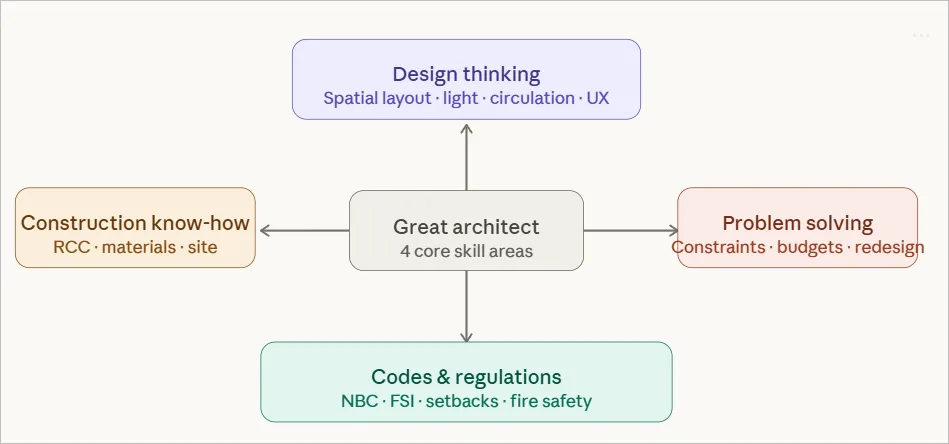
Here are some of the most important skills experienced architects often highlight.
Strong Design Thinking
Design thinking sits at the core of architectural practice. Great architects know how to translate concepts into well-organized spatial layouts, functional floor plans, and meaningful built environments.
This often involves making decisions about site orientation, circulation patterns, natural light, ventilation, and spatial hierarchy. For example, an architect must think about how people enter a building, how they move between spaces, and how public and private areas are separated.
Architects also consider climate, context, and building use while shaping the design. Good architectural design balances form, function, and user experience, ensuring that the building works efficiently while still creating a strong visual and spatial identity.
Understanding How Buildings Are Constructed
A strong architect understands not only how to design a building but also how it will actually be constructed on site. Many design decisions depend on practical construction knowledge.
This includes understanding structural systems such as RCC frames, load-bearing walls, slab systems, and foundation types, along with how materials like concrete, brick, steel, glass, and stone perform in real conditions.
Architects also need familiarity with construction sequencing, site constraints, and coordination with contractors and engineers. When architects understand how drawings translate into built structures, they can design details that are practical, cost-effective, and easier to execute on site.
Problem Solving in Complex Situations
Every architectural project comes with real constraints. Site conditions, client requirements, budgets, and regulatory approvals often shape how a design evolves.
Architects regularly face situations such as irregular site shapes, structural constraints, or changes in client requirements during the project. These challenges require architects to rethink layouts, adjust building massing, or redesign certain elements without compromising the overall concept.
These strong problem-solving skills help architects balance design intent, technical feasibility, and project constraints, allowing them to develop solutions that work both on paper and in the built environment.
Knowledge of Codes and Regulations
In India, architects must design buildings that comply with several national and local regulations. This includes the National Building Code (NBC), state building bylaws, municipal development control rules, and fire safety guidelines. Each city may also have its own approval requirements managed by local development authorities or municipal corporations.
Experienced architects often spend significant time reviewing FSI limits, setback rules, height restrictions, parking norms, and fire safety provisions before finalizing a design. They also coordinate with consultants to ensure structural, accessibility, and safety requirements are met.
A strong understanding of these regulations helps architects prepare drawings that can pass municipal approvals faster and reduces the risk of costly redesigns during the approval process.
Here are the top 10 architects in India
1. Hafeez Contractor
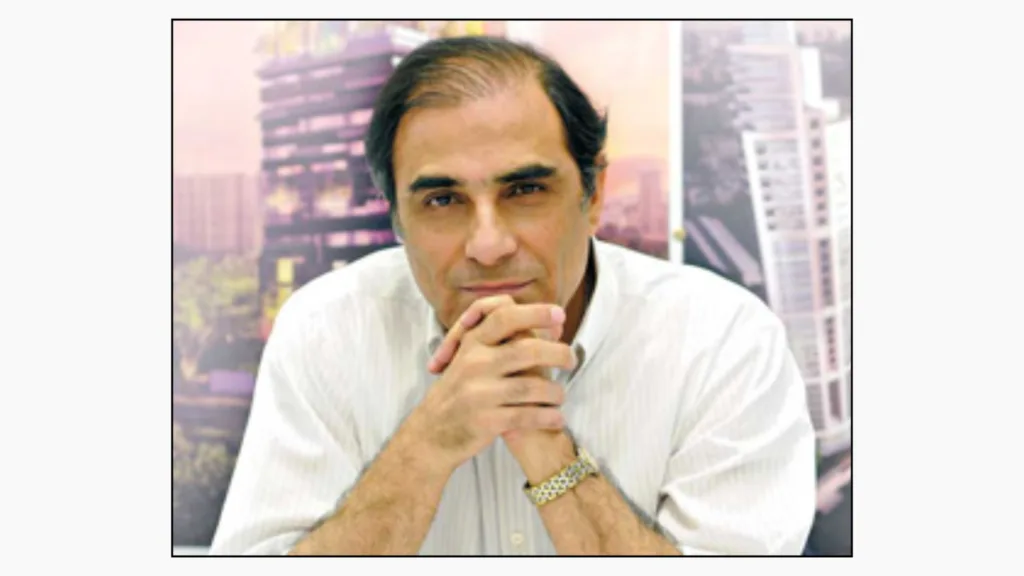
Hafeez Contractor is one of the most influential architects in India. He is known for designing large residential townships, commercial towers, and institutional campuses. Many of his projects focus on large-scale urban development and high-rise buildings.
He has played a major role in shaping the skyline of cities such as Mumbai, Kolkata, Bengaluru, and Dubai. Contractor designed some of India’s tallest skyscrapers, including The 42 in Kolkata and The Imperial Towers in Mumbai.

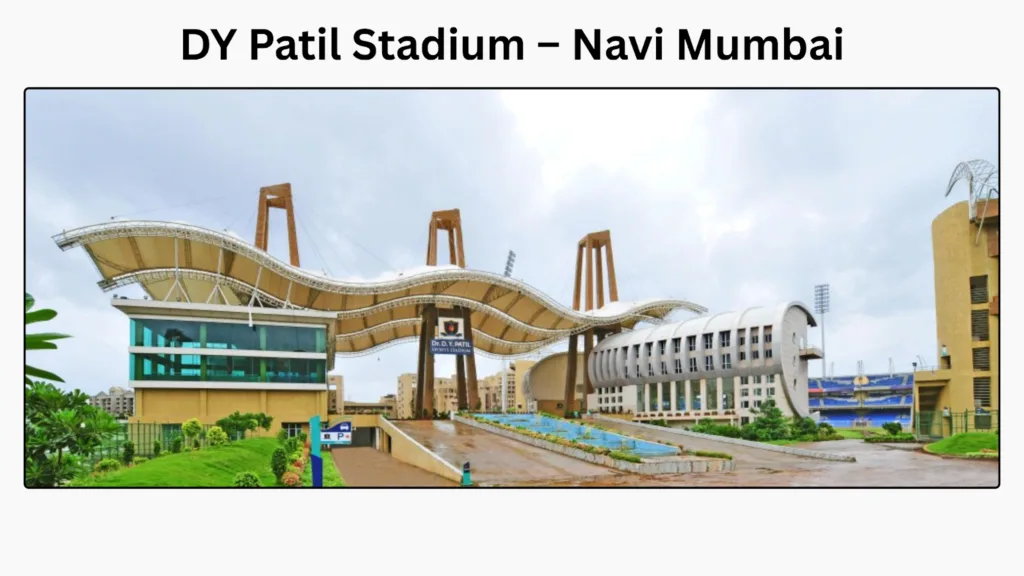
Another notable contribution is the DY Patil Stadium – Navi Mumbai, a large international cricket stadium known for its circular design and modern sports infrastructure.
His work also includes large campuses for technology companies and educational institutions. Over the past four decades, his firm has designed millions of square feet of residential, commercial, and civic buildings across India and internationally. In recognition of his contribution to architecture, the Government of India awarded him the Padma Bhushan in 2016, one of the country’s highest civilian honors.
Connect on LinkedIn
2. Sanjay Puri

Sanjay Puri is an internationally recognized Indian architect and the founder of Sanjay Puri Architects, a firm known for innovative and sustainable architecture. His design approach focuses on climate-responsive buildings, bold geometric forms, and efficient spatial planning.
Over the past three decades, his firm has completed projects across more than 50 cities in India and internationally in countries such as Spain, the UAE, Montenegro, Australia, and the United States.
Some of his well-known projects include The Courtyards School in Rajasthan, a climate-responsive school design, Narsighar, a sustainable residential project, and Miraj Crafts Village, a cultural space that supports traditional artisans.
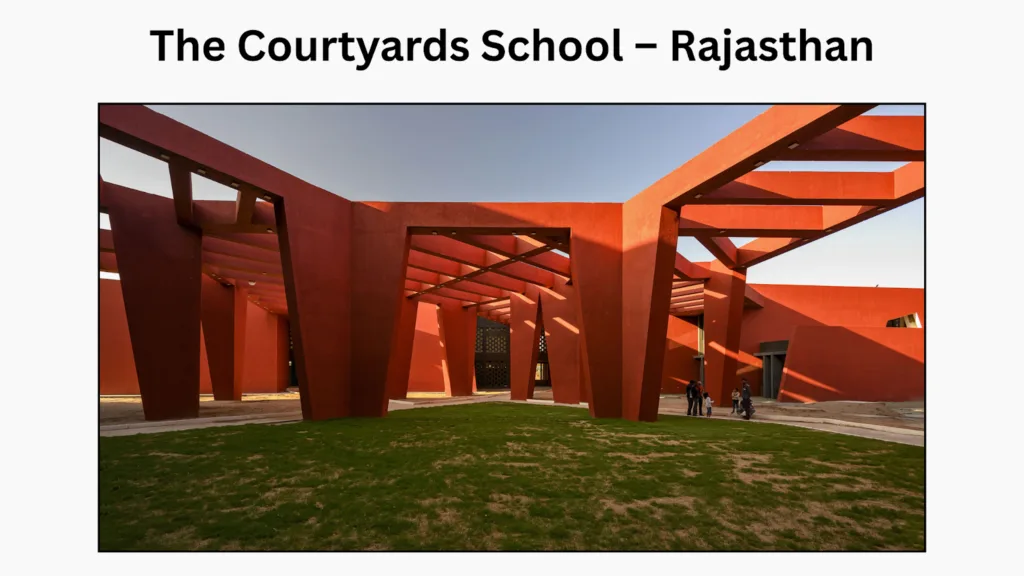
Sanjay Puri Architects has received over 500 awards, including more than 370 international design awards. The firm won Overall Sustainable Design Firm of the Year at the Architizer A+ Awards 2024 and WA UK International Architect of the Year 2024, and has been ranked among the Top 100 architecture firms worldwide by several global architecture platforms.
Connect on LinkedIn
3. Jasmine Ahluwalia

Jasmine Ahluwalia is a licensed architect, interior designer, and global Vastu consultant. She is the founder of ASDAV (Asian School of Design & Applied Vastu), a platform focused on practical design education and industry-oriented training.

She graduated from Scuola Master F.lli Pesenti at Politecnico di Milano, gaining international exposure in architecture and design.
Before launching ASDAV, she worked as an assistant professor at the Amity School of Architecture and Planning, Amity University, Noida, where she taught architecture and design courses. Her research focuses on sustainable architecture, urban heat island reduction, and circular economy practices in construction.
Through ASDAV, she has trained more than 500 students across 25 cities and delivered over 200 live learning sessions with instructors from institutes such as IIT, CEPT, SPA, and NID. Her work aims to bridge the gap between design education and real industry requirements.
If you want to build strong design fundamentals and practical skills, you can explore ASDAV’s interior design courses and architecture courses, where experienced professionals guide learners through real-world design workflows and projects.
👉Discover the full course roadmap, tools, and real project experience designed to help you build practical architecture skills and start your career with confidence.
Download the Revit and BIM Course Syllabus.
Connect on LinkedIn
4. Brinda Somaya
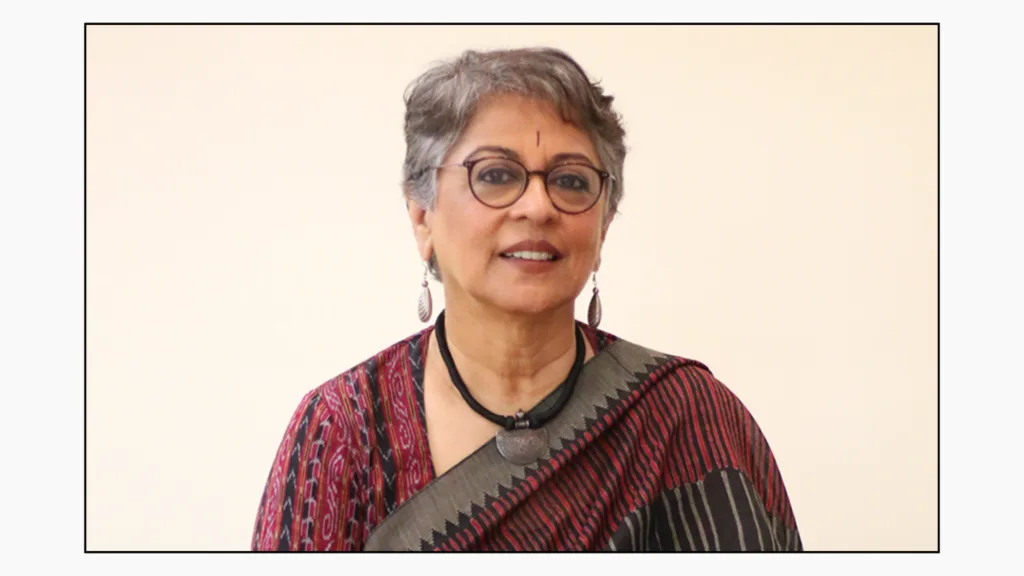
Brinda Somaya is an Indian architect and urban conservationist known for her work in heritage restoration, institutional campuses, and sustainable architecture. She founded Somaya and Kalappa Consultants in Mumbai and has completed more than 200 projects over four decades. Her architecture often combines modern design with traditional Indian building techniques and local materials.
Some of her notable projects include the restoration of St. Thomas Cathedral in Mumbai, which won the UNESCO Asia-Pacific Heritage Award; the Nalanda International School campus in Vadodara, designed with climate-responsive architecture; and the rehabilitation of Bhadli Village in Bhuj, which rebuilt homes and community spaces after the Gujarat earthquake.
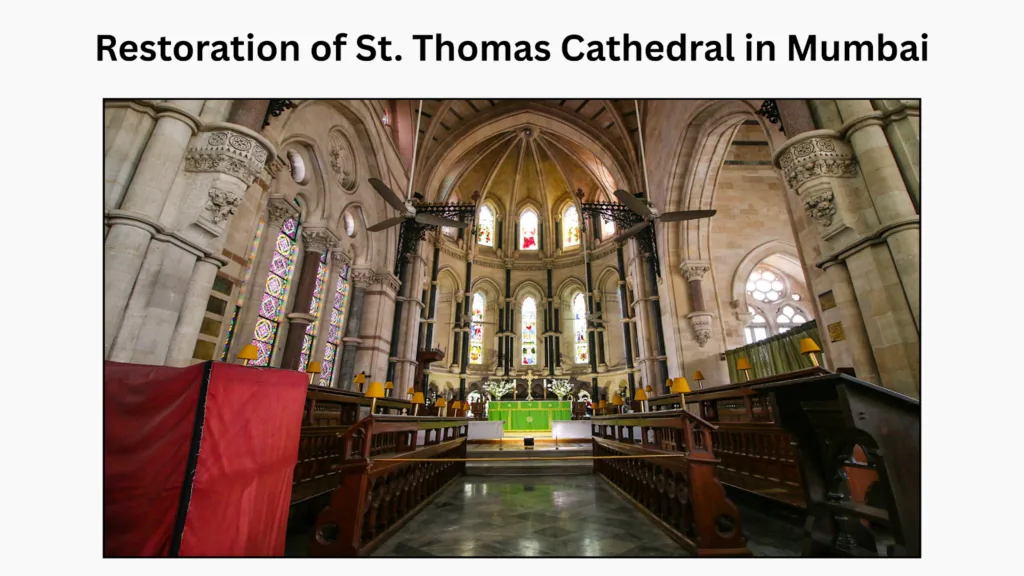
Somaya has received several recognitions for her contribution to architecture and conservation, including the Baburao Mhatre Gold Medal for Lifetime Achievement from the Indian Institute of Architects and international honors for heritage preservation and sustainable design.
Connect on LinkedIn
5. Bijoy Jain
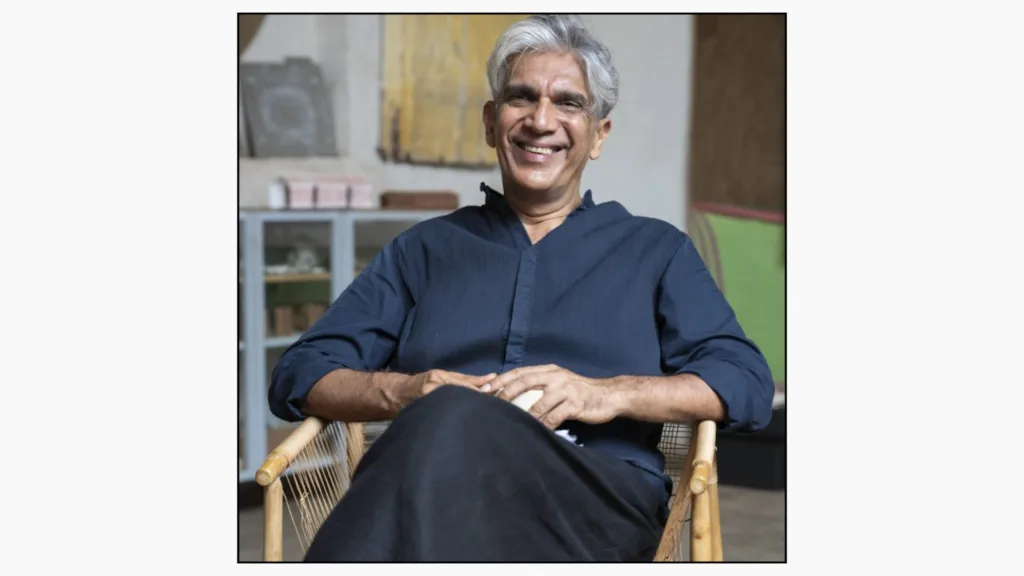
Bijoy Jain is an Indian architect and the founder of Studio Mumbai, a design practice known for its handcrafted architecture and strong connection to nature, materials, and local craftsmanship. After studying architecture at Washington University in St. Louis, he worked in the offices of architect Richard Meier in Los Angeles and London before returning to India in 1995 to establish his studio.
Jain’s architecture focuses on simplicity, traditional building methods, and climate-responsive design. His projects often combine natural materials such as wood, stone, and brick with modern spatial design.
Through Studio Mumbai, he has created residential and cultural buildings that reflect local landscapes and craftsmanship. His work has received international recognition, including the Global Award for Sustainable Architecture (2009), the Swiss Architectural Award (2012), and the Alvar Aalto Medal (2020).
6. Anupama Kundoo

Anupama Kundoo is an Indian architect and professor known for her work in sustainable and environmentally responsible architecture. She studied architecture at Sir J. J. College of Architecture in Mumbai and later earned a doctorate from Technische Universität Berlin.
Kundoo began her practice in Auroville, where she developed experimental building techniques that use local materials, recycled resources, and community labor to reduce environmental impact.
One of her most recognized projects is the Wall House in Auroville, a compact residence built with compressed earth and natural materials that blends modern design with traditional building methods. Her other projects include the Town Hall in Auroville and the Nandalal Sewa Samithi Library in Pondicherry.
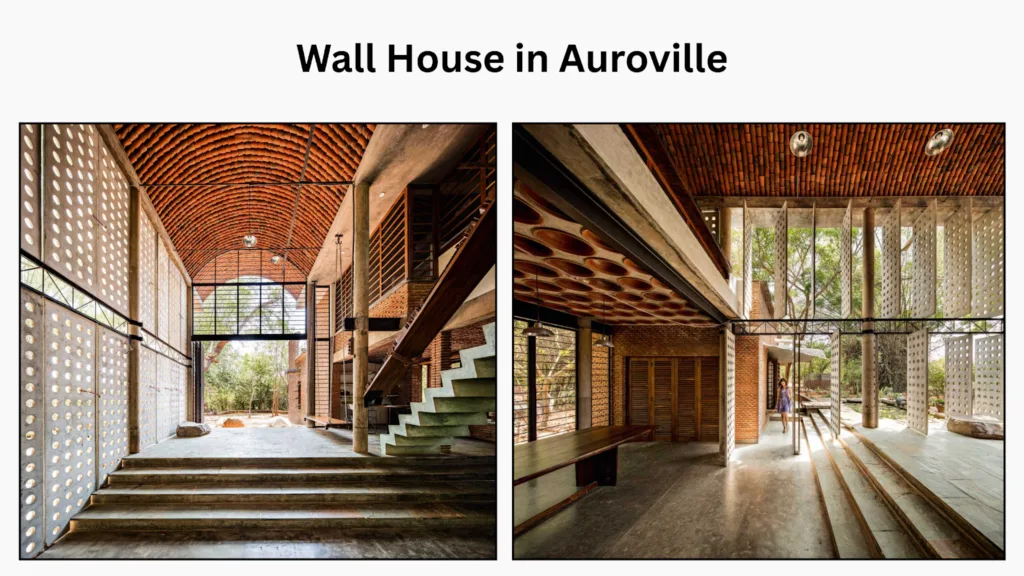
Her work has received major international recognition, including the RIBA Charles Jencks Award (2021) and the Auguste Perret Prize for Technology in Architecture, which honors her contributions to sustainable architectural innovation.
Connect on LinkedIn
7. Chitra Vishwanath
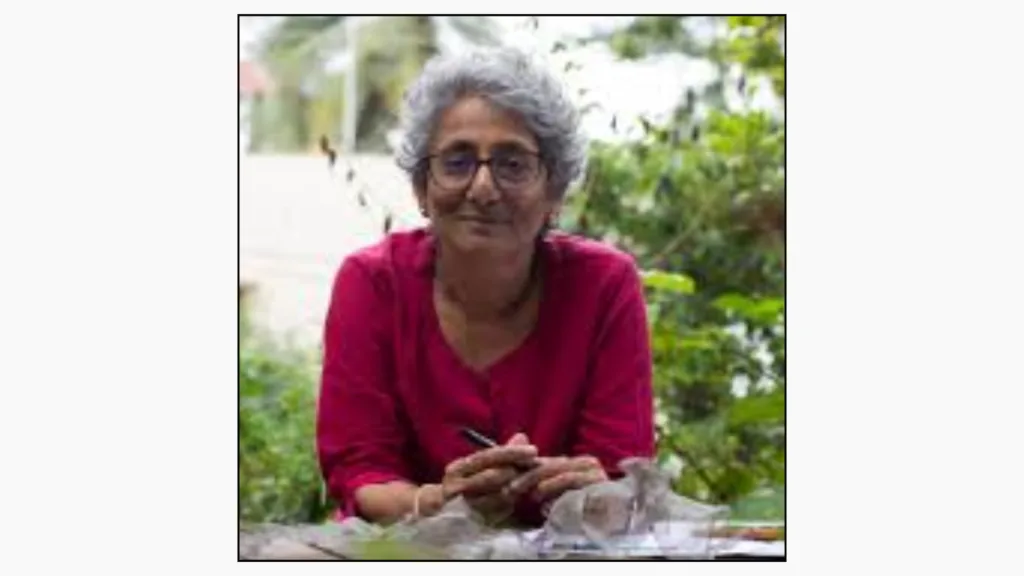
Chitra Vishwanath is an Indian architect known for her work in ecological and sustainable architecture. She is the Principal Architect and Managing Director of BIOME Environment Solutions, a Bengaluru-based design firm specializing in environmentally responsible buildings.
Since starting her practice in the early 1990s, she has worked on more than 500 projects across India and Africa. Her architecture emphasizes the use of local materials, natural ventilation, rainwater harvesting systems, and renewable energy solutions.
One of her notable projects is her own eco-friendly mud house in Bengaluru, which uses solar energy, rainwater harvesting, and natural cooling instead of air conditioning. Projects like the Vikas Community in Auroville also demonstrate how stabilized earth construction, renewable energy systems, and ecological water management can be combined to create sustainable housing developments.
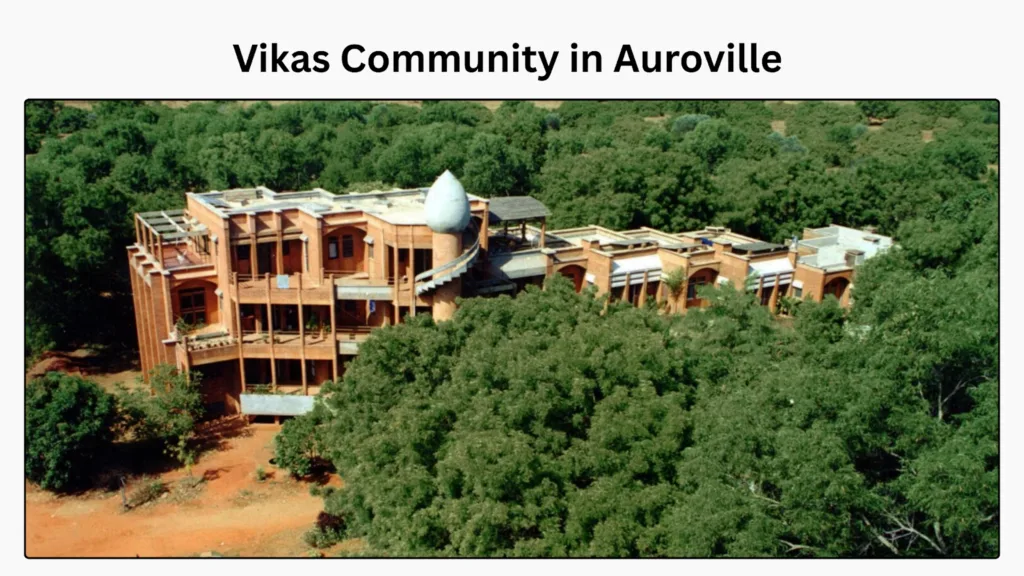
Through BIOME Environment Solutions, she has also designed buildings and infrastructure that integrate water management, sanitation systems, and climate-responsive architecture.
8. Abha Narain Lambah

Abha Narain Lambah is an Indian conservation architect known for restoring some of India’s most important heritage sites and historic buildings. She founded Abha Narain Lambah Associates in 1996, a practice focused on architectural conservation, museum design, and restoration of historic monuments.
Her work includes the conservation of major cultural landmarks such as the Royal Opera House in Mumbai, the Ajanta Caves, and the Mahabodhi Temple complex in Bodh Gaya. She has also led restoration projects for several iconic Mumbai buildings, including Crawford Market, Asiatic Society Town Hall, and the Knesset Eliyahoo Synagogue.
One of the firm’s notable projects is the restoration and museum masterplan for Lalbagh Palace in Indore, a historic Italian Renaissance Revival palace of the Holkar dynasty that was conserved and transformed into a museum space in 2022.
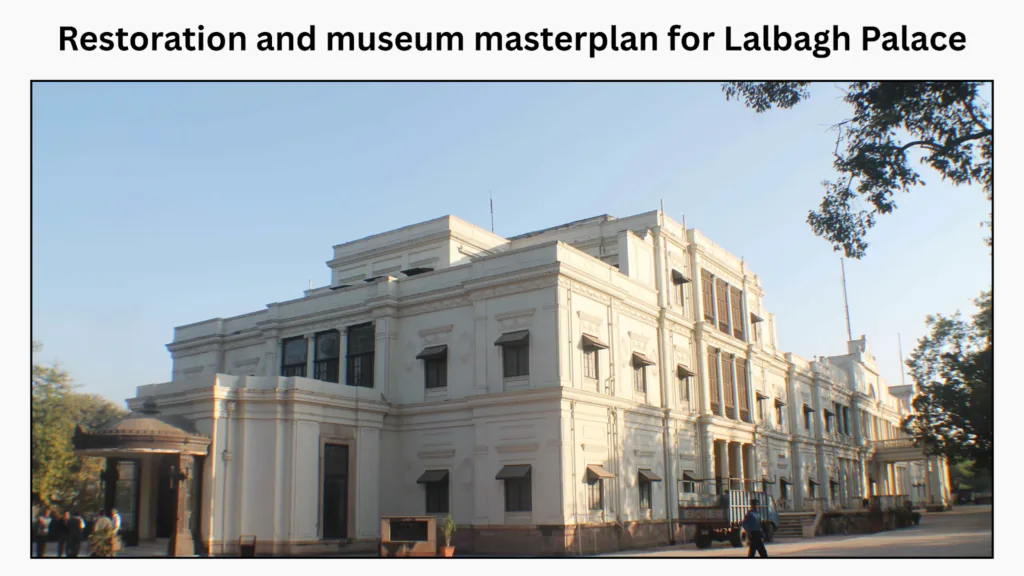
Her firm’s conservation projects have received 13 UNESCO Asia Pacific Heritage Conservation Awards, along with honors such as the Architectural Digest Architect of the Year Award (2019) and the Eisenhower Fellowship for contributions to heritage preservation.
Connect on LinkedIn
9. Manit Rastogi
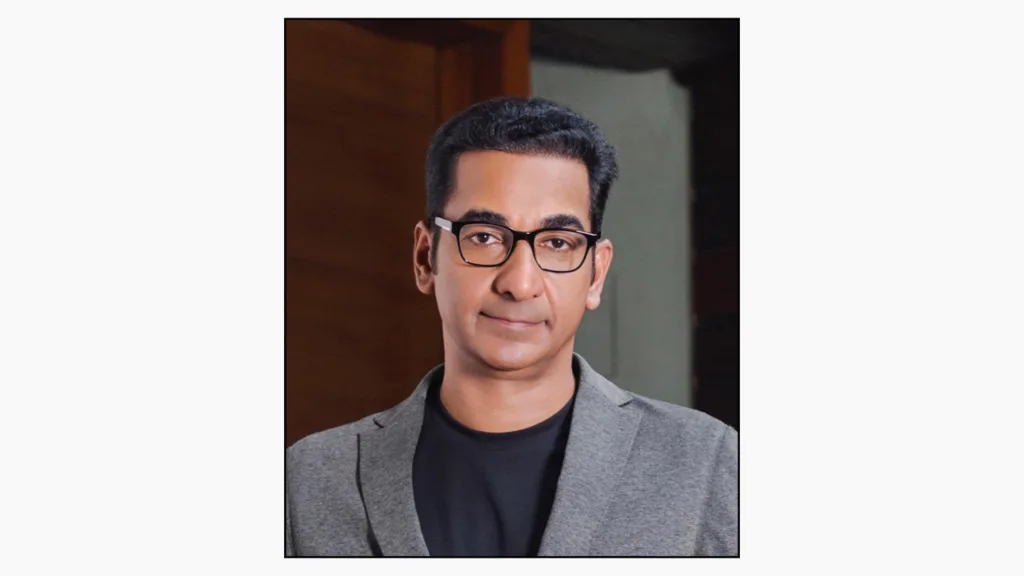
Manit Rastogi is an Indian architect and the founding partner of Morphogenesis, one of India’s leading architecture and urban design firms established in 1996 with Sonali Rastogi. His work focuses on sustainable, climate-responsive architecture, employing passive design strategies to reduce energy consumption and enhance environmental performance.
Morphogenesis has completed projects across several countries and has received over 200 national and international awards, including the Singapore Institute of Architects Getz Award, which recognized the firm’s contribution to shaping modern architecture in Asia.
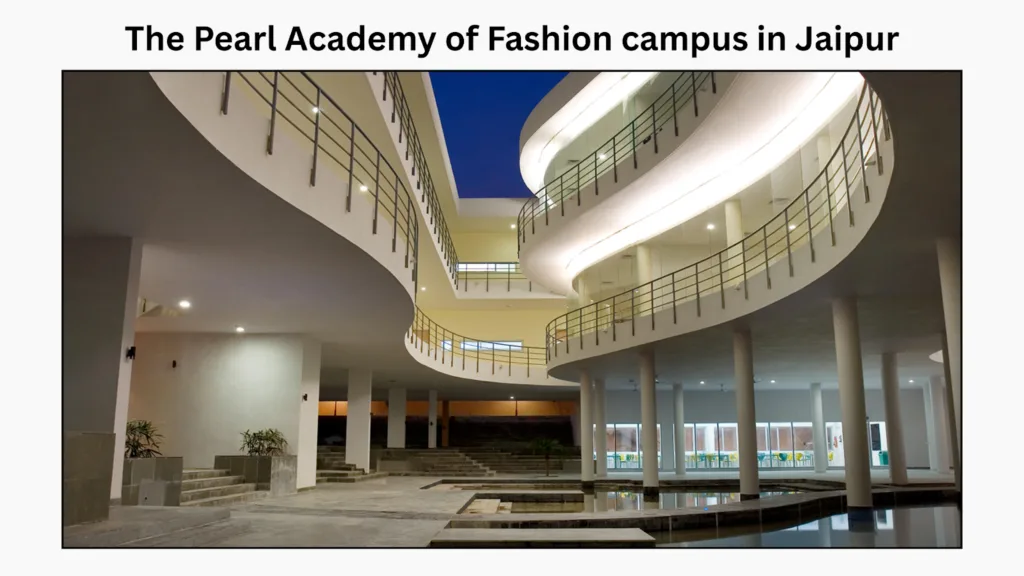
Some of the firm’s notable projects include the Pearl Academy of Fashion campus in Jaipur, known for its climate-responsive façade, the Infosys Campus, and the Taj Bangalore Hotel, which integrate sustainable design strategies and contextual architecture.
Connect on LinkedIn
10. Ambrish Arora
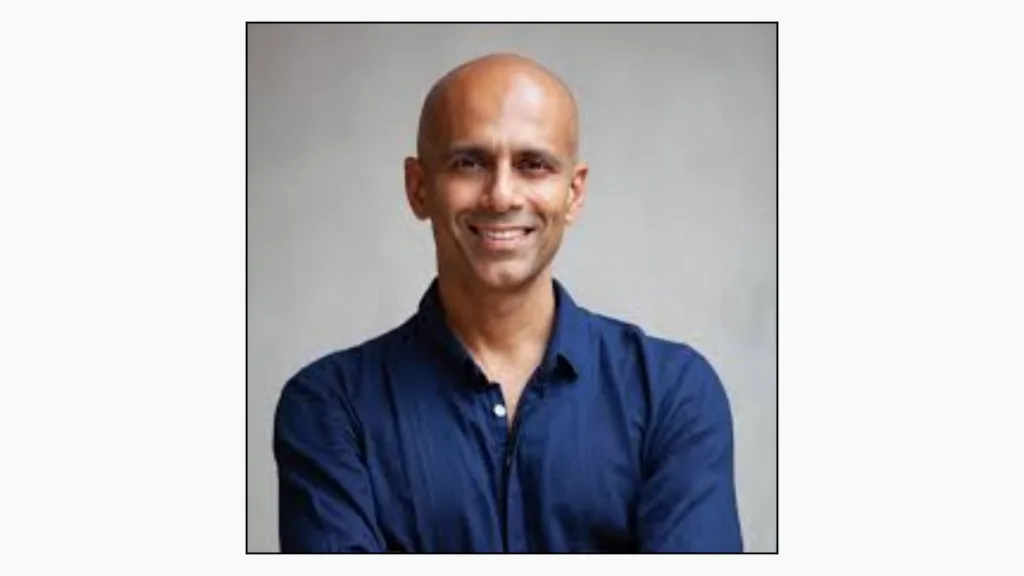
Ambrish Arora is an Indian architect and the co-founder of Studio Lotus, a multidisciplinary architecture and design practice based in New Delhi. His work focuses on sustainable design, adaptive reuse, and architecture that responds to local culture and materials.
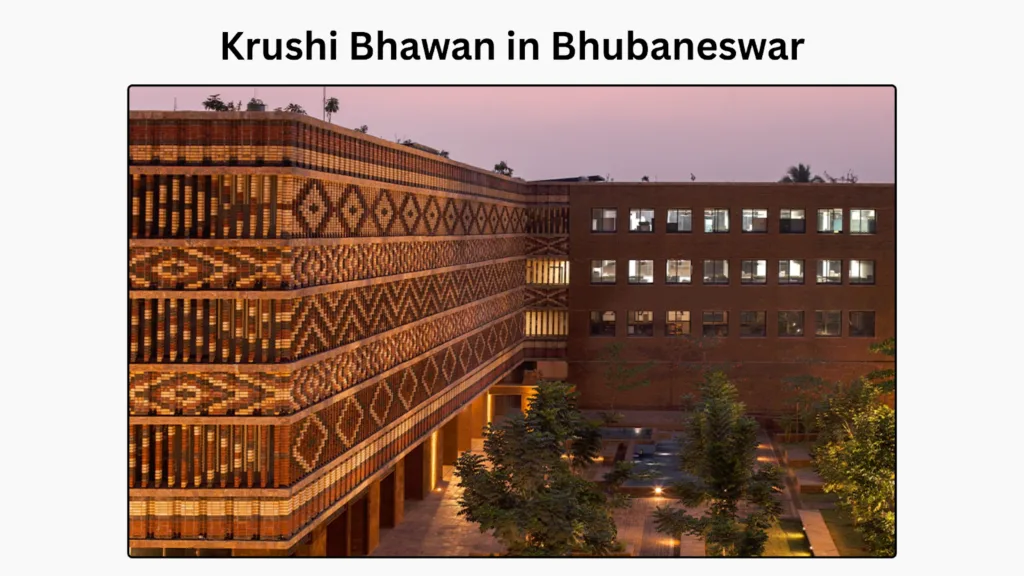
Studio Lotus is known for projects that combine modern design with traditional craftsmanship and environmentally responsible construction techniques. Some of the firm’s notable projects include the Krushi Bhawan in Bhubaneswar, a government building that celebrates Odisha’s agricultural culture; the RAAS Chhatrasagar luxury resort in Rajasthan, designed with locally sourced materials; and the Interpretation Centre at Mehrangarh Fort in Jodhpur, which blends contemporary architecture with historic heritage spaces.
Under Arora’s leadership, Studio Lotus has received several international architecture awards and recognition for sustainable design and cultural preservation.
Connect on LinkedIn
Start your journey to become a successful architect in the next 12 weeks
At ASDAV, becoming a skilled architect is not only about learning software or design theory. It is about understanding how architecture works in real projects. Our architecture programs focus on practical learning so students can apply their knowledge in professional work.
You learn through live sessions, real assignments, and industry case studies. Courses are taught by experienced architects and design professionals who bring real project insights into the classroom. This approach helps learners understand design thinking, technical tools, and project workflows used in the architecture industry.
For example, the Professional Revit & BIM Course for Architects teaches BIM-based workflows used in architecture firms. The Online Revit Certification Program for Architects helps students strengthen Revit skills for modeling and documentation. Short masterclasses, such as Master Site Analysis and Climate Study, help learners understand site conditions before starting a design.
With live mentoring, portfolio development, and practical assignments, ASDAV helps aspiring architects build the skills needed for real-world design practice.

Jasmine Ahluwalia is a Licensed Architect, Interior designer, Global Vastu consultant and the founder of ASDAV.
She is a graduate of Scuola Master F.lli Pesenti, Politecnico di Milano, and brings strong global exposure through academic learning and professional design projects. Her background combines architecture, interior design, and applied design education.
Before founding ASDAV, Jasmine worked as an assistant professor at Amity School of Architecture and Planning, Amity University Noida. Her research covers sustainable architecture, urban heat island reduction, and circular economy practices in construction. Her work has been published in Scopus indexed and peer reviewed journals as well. She also has strong international on-site experience from countries like Canada, Mauritius, UK, and many more.
Through ASDAV, she has trained more than 500 students across 25 cities. The ASDAV platform has 12+ instructors from IIT, SPA, CEPT and NID , and has delivered over 200 live learning sessions. Her mission is to bridge the gap between design education and real industry expectations, to deliver real growth for her students.
She designs spaces for a living, but her favourite project is designing careers.